5 Best The North Face Womens Hydrenalite Down Jackets (2026): Our Picks
Compare five The North Face women's Hydrenalite down jacket picks by warmth, packability and fit, with pros, cons and tips to choose the right one.
 By Graham Fisher
Updated November 22, 2026
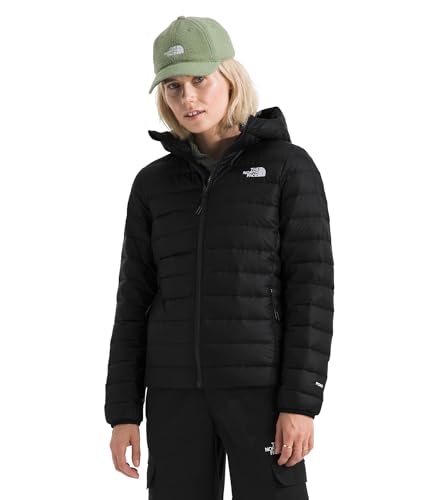 By Graham Fisher
Updated November 2026
Choosing the right the north face womens hydrenalite down jacket comes down to three things: how much warmth you need, how much you plan to move, and whether you want a hood. This list compares five women’s down and insulated picks from The North Face, ordered by how closely each one matches those criteria. Specs come from manufacturer listings and common owner feedback, not from our own testing.
Best overall: The North Face Women’s Classic Down Hooded Jacket – View on Amazon
Best for active winter days: THE NORTH FACE Women’s Thermoball Hooded Jacket – View on Amazon
Best for cold, windy trips: THE NORTH FACE Women’s Aconcagua Hooded Jacket – View on Amazon
Best for layering: THE NORTH FACE Women’s Junction Insulated Jacket – View on Amazon
Best for a Hydrenalite-style hoodie: The North Face Women’s Hydrenalite Down Hoodie – View on Amazon
Our Top Picks
| Product | Best for | Key feature |
|---|---|---|
| THE NORTH FACE Women’s Classic Down Hooded Jacket | Deep cold and packing light | 700 fill recycled down |
| THE NORTH FACE Women’s Thermoball Hooded Jacket | Active winter days | Synthetic insulation, stays warm damp |
| THE NORTH FACE Women’s Aconcagua Hooded Jacket | Cold, windy conditions | 200g insulation, wind resistant |
| THE NORTH FACE Women’s Junction Insulated Jacket | Layering under a shell | 100g insulation, easy to layer |
| The North Face Women’s Hydrenalite Down Hoodie | Hydrenalite down style fans | Down fill with a hood |
THE NORTH FACE Women’s Classic Down Hooded Jacket
THE NORTH FACE Women's Classic Down Hooded Jacket, TNF Black, Medium | Warm 700 Fill Recycled Down, Highly Packable Puffer, Insulated Hood with Rear Cinch Cord, Concealed Zip Hand Pockets
Best for: Deep cold and packing light
This suits someone who spends long stretches standing still outdoors, such as cold commutes, sideline duty or winter city walks, and wants maximum warmth for the weight.
Pros:
- 700 fill recycled down gives strong warmth for its weight.
- Packs down small for travel or a day pack.
Cons:
- Down loses insulating power if it gets soaked, so it needs careful storage in wet weather.
THE NORTH FACE Women’s Thermoball Hooded Jacket

THE NORTH FACE Women's Thermoball Hooded Jacket, TNF Black/TNF Black, M | Warm Packable Puffer, 100% Recycled Synthetic Insulation, Adjustable Hem & Hood, Water Repellent, Casual & Active Winter Coat
Best for: Active winter days
A good fit for hikers, dog walkers and anyone who builds up a sweat in cold weather and needs insulation that keeps working when it gets a little damp.
Pros:
- Synthetic insulation holds warmth better than down when it gets wet.
- Adjustable hem and hood help seal out drafts.
Cons:
- Bulkier and heavier than a comparable down jacket.
THE NORTH FACE Women’s Aconcagua Hooded Jacket

THE NORTH FACE Women's Aconcagua Hooded Jacket, TNF Black, L | Updated with Synthetic Insulation (200g), Wind & Water Resistant, Insulated Hood, Adjustable Hem, Warm Winter Puffer Coat
Best for: Cold, windy trips
Aimed at people who spend time outdoors in exposed conditions, such as ski lift lines, winter trailheads or open-field work, where wind resistance matters as much as insulation.
Pros:
- 200g synthetic insulation with a wind-resistant shell.
- Insulated hood and adjustable hem keep heat in.
Cons:
- Less packable than lighter down options.
THE NORTH FACE Women’s Junction Insulated Jacket

THE NORTH FACE Women's Junction Insulated Jacket, New Taupe Grn, L | 100g Synthetic Insulation, Easy Layering, Balanced Warmth to Weight Ratio, Recycled Polyester, Water Repellent, Zip Pockets
Best for: Layering under a shell
Works well as a mid-layer in moderate cold, or as an outer layer on mild winter days when you want something light that fits under a rain or wind shell.
Pros:
- Lighter 100g insulation layers easily without bulk.
- Zip pockets keep small items secure.
Cons:
- Not warm enough as a standalone coat in severe cold.
The North Face Women’s Hydrenalite Down Hoodie
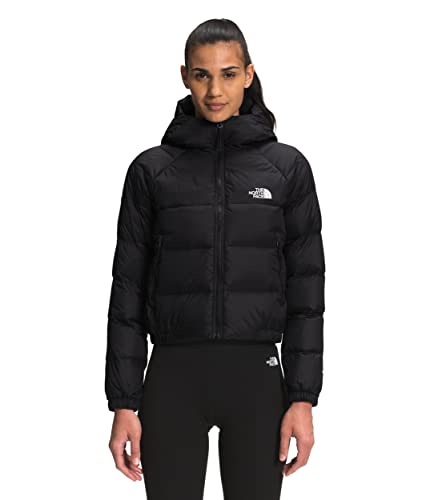
The North Face Women's Hydrenalite Down Hoodie, TNF Black, M
Best for: Hydrenalite-style hoodie fans
For shoppers who specifically want the Hydrenalite down look with a hood, typically for everyday wear in cold but not extreme weather.
Pros:
- Down fill with a hood for everyday warmth.
- Familiar Hydrenalite styling for buyers who already like the line.
Cons:
- Listing details can vary by size and colorway, so confirm the fill and features before you buy.
Buying Guide
Warmth and fill type
Down traps heat very efficiently for its weight, but it loses much of that loft when wet. Synthetic insulation is heavier and bulkier but keeps more of its warmth in damp conditions. Match the fill to where and how you’ll wear the jacket.
Good picks for this: THE NORTH FACE Women’s Classic Down Hooded Jacket, THE NORTH FACE Women’s Thermoball Hooded Jacket
Activity level
If you generate heat while hiking or shoveling, a jacket that breathes and vents well will keep you from overheating. A heavier insulated coat is better suited to standing still in the cold.
Good picks for this: THE NORTH FACE Women’s Thermoball Hooded Jacket, THE NORTH FACE Women’s Junction Insulated Jacket
Hood and wind protection
A hood that adjusts at the face and back is far more useful in wind than a fixed one. Look for a wind-resistant outer shell if you’ll be outdoors in exposed areas.
Good picks for this: THE NORTH FACE Women’s Aconcagua Hooded Jacket, The North Face Women’s Hydrenalite Down Hoodie
FAQ
Is the North Face Women’s Hydrenalite Down Hoodie good for very cold weather?
The Hydrenalite Down Hoodie is built for cool to cold conditions and works well as a warm layer or light outer jacket. For extreme cold or long periods standing still, one of the heavier-fill options in this list will likely feel more comfortable. Pairing it with a base layer can extend its range.
What is the difference between down and synthetic insulation in these jackets?
Down provides a high warmth-to-weight ratio and compresses small, but it loses insulating power when wet. Synthetic insulation, like the fill used in the Thermoball and Junction jackets, keeps more of its warmth in damp conditions and is generally easier to care for. Your choice depends on whether you expect dry, cold weather or frequent moisture.
Which jacket is best for layering under a shell or over a sweater?
The Junction Insulated Jacket is designed for easy layering and offers balanced warmth without excessive bulk. It fits comfortably under a rain shell or over a fleece without restricting movement. If you plan to layer heavily, choose a slightly roomier size than you normally wear.
Are these jackets suitable for active use like hiking or commuting?
The Thermoball Hooded Jacket is the most practical choice for active winter days because its synthetic fill stays warm even when you sweat a little. The Junction works well for commuting and light activity. Heavier down styles are better suited to stationary cold, such as waiting outdoors or cold-weather travel.
How should I size a women’s puffer jacket from The North Face?
Check the manufacturer’s size chart and compare it with your bust, waist, and hip measurements. If you plan to wear a sweater or hoodie underneath, consider sizing up for comfort. Trying the jacket on with the layers you intend to wear is the most reliable way to confirm fit.
How do I care for a down or synthetic insulated jacket?
Wash according to the care label, usually with a gentle, down-specific or technical detergent on a gentle cycle. Tumble dry on low heat with a few dryer balls to restore loft, and make sure the jacket is fully dry before storing. Store it uncompressed in a breathable bag when not in use to preserve the insulation.
Conclusion
For most women who want maximum warmth on cold, dry days, the Classic Down Hooded Jacket is the strongest all-around pick. If you are active in winter or often face damp conditions, the Thermoball is the more practical choice, and the Aconcagua suits harsh, windy trips.
Those who want a lighter, layerable option for milder cold should look at the Junction or the Hydrenalite Down Hoodie, depending on how much insulation they need. Matching the jacket to your typical weather and activity level will serve you better than choosing by warmth rating alone.
Related reading
- Women's Down Jacket North Face: How to Choose the Right Warmth (2026)
- The North Face Women Down Jacket: How to Choose the Right Warmth (2026)
- North Face Womens Goose Down Jacket: A Practical Guide (2026)
- Down Jacket The North Face Review: Girls' Hydrenalite Pros and Cons
- Ladies Down Jacket North Face: 3 Best Picks for Winter 2026
- Goose Down Jacket North Face: How to Choose the Right Warmth (2026)
About Graham Fisher
Graham Fisher is part of our editorial team and reviews and edits our everyday winter gear guides, checking product details against manufacturer specifications and owner feedback.
About the author
Graham Fisher writes reviews and buying guides for Snow Crystals.