Down Jacket The North Face Review: Girls’ Hydrenalite Pros and Cons
Is the North Face Girls' Hydrenalite down jacket worth it? Read our research-based review of its 600 fill, water resistance, fit and who should buy it.
 By Graham Fisher
Updated November 8, 2026
 By Graham Fisher
Updated November 2026
If you are shopping for a down jacket the North Face makes for a girl who spends real time outdoors, the Girls’ Hydrenalite Down Hooded Jacket is one of the more practical options in the lineup. It pairs 600-fill recycled down with a wind- and water-resistant shell, a hood, zip pockets and an ID label, all in a jacket meant for fall and winter wear. This is a good fit for kids and teens who walk to the bus stop, play at recess in the cold, or go sledding and need a coat that handles light snow. It is less suited to families who need a true expedition-grade shell for wet, sustained storms, or to parents who want the lightest possible packable layer for travel. This review is based on the manufacturer’s listed specifications and patterns in owner feedback, not on hands-on testing.
THE NORTH FACE Girls' Hydrenalite Down Hooded Jacket, TNF Black, M | Warm 600 Fill Recycled Down, Wind & Water Resistant, 100% Recycled Fabric, Zip Pockets, ID Label, Cozy Coat for Fall & Winter
Product Overview
The THE NORTH FACE Girls’ Hydrenalite Down Hooded Jacket is a youth insulated coat in TNF Black, sized for girls and offered in a range of sizes. It is positioned as an everyday winter coat rather than a technical alpine piece. The core idea is straightforward: a warm down fill, a shell that sheds wind and light moisture, and enough features to make daily use simple, such as zippered pockets and a hood.
The product name signals three main selling points. First, the insulation is 600 fill power recycled down, which places it in the mid-to-upper range for synthetic-free down coats of this type. Second, the outer fabric is listed as 100% recycled and wind and water resistant. Third, the jacket includes an ID label, a practical touch for schools, camps and day trips where coats get mixed up. The “Hydrenalite” name refers to the family of down-insulated, water-resistant jackets in The North Face’s youth and women’s lines.
It is worth being clear about what “water resistant” means here. A water-resistant finish will shed light snow, drizzle and splashes, but it is not waterproof. Heavy wet snow, a long session in a downpour, or sitting on a soaked bench will eventually wet through the shell and reduce the insulation’s loft. For most school-day and playground use, that distinction rarely matters. For extended wet conditions, a waterproof shell is the better choice.
Key Features & Specifications
The table below lists the specifications that are either stated in the product name or are standard for this product line. Where a detail is not confirmed in the listing, it has been left out rather than estimated.
| Feature | What It Means |
|---|---|
| Insulation | 600 fill power recycled down |
| Outer fabric | 100% recycled, wind and water resistant |
| Hood | Hooded design for head and neck coverage |
| Pockets | Zip pockets for keeping small items secure |
| Identification | Built-in ID label for labeling the coat |
| Intended use | Fall and winter everyday wear |
| Color | TNF Black |
| Gender / fit | Girls’ youth sizing |
A note on fill power: 600 fill is a solid mid-range rating. In practical terms, higher fill power means more loft per ounce of down, so a 600-fill jacket generally needs more down to reach a given warmth level than a 750 or 800-fill coat. For a school coat that will be worn over a sweater or hoodie in typical winter temperatures, 600 fill is usually sufficient. For very cold climates or long periods of inactivity outdoors, consider adding a base layer or choosing a heavier insulated coat.
Pros & Cons
Pros
- 600 fill recycled down provides a good warmth-to-weight balance for daily winter wear.
- Wind and water resistant shell handles light snow, drizzle and splashes without feeling like a rain shell.
- Recycled outer fabric appeals to buyers who want a more sustainable material choice.
- Hood adds meaningful head and neck protection on windy days.
- Zip pockets keep keys, phones and small items from falling out during play.
- Built-in ID label is useful for schools, camps and shared hallways.
- Classic black colorway pairs easily with most school and everyday outfits.
Cons
- Water resistance is not waterproofing, so prolonged wet snow or rain will eventually soak through.
- Down-filled coats need more care than synthetic jackets when they get wet, and drying takes time.
- Not designed as a technical layer for high-output activities like long backcountry ski days.
- Youth sizing means fit can change quickly as a child grows, so sizing ahead is a common consideration.
- Hood and cuff fit details are not always adjustable in the way adult technical jackets are.
Performance Analysis
Performance for a down jacket depends on three things: how well the insulation traps warm air, how well the shell blocks wind and moisture, and how the fit lets the wearer move and layer. Based on the listed specifications, this jacket is built to perform well in the first two areas for typical winter conditions.
The 600 fill recycled down should provide steady warmth in cold, dry conditions and in light snow. Down performs best when it stays dry, which is why the water-resistant shell matters. Owners of similar youth down jackets commonly report that the coat feels comfortable for walking, waiting for buses and playing outside in temperatures that are cold but not extreme. Comments about wind protection tend to be positive, which is consistent with a wind-resistant shell paired with a hood.
Where feedback tends to be more mixed is around long, wet exposure and fit over time. Down can lose loft when soaked, and it needs proper drying to recover. Owners often note that the coat works best as a layer over a sweater or hoodie in colder weather, and that adding a base layer extends its usefulness for very cold days. Sizing feedback in youth outerwear is also common: a slightly larger size often allows for layering, while a snug fit can limit movement and reduce insulation efficiency.
For a parent evaluating this coat, the practical takeaway is that it is strong for dry-to-light-wet, cold-to-cool conditions and everyday active wear. It is not built for sustained storm exposure or high-exertion mountain use.
Who Should Buy This Product?
This jacket suits parents who want a warm, durable everyday coat for school, weekend outings and winter play. It is a good match for children and teens who spend time outdoors but do not need expedition-level gear. The hood, zip pockets and ID label make it especially practical for busy families.
Shoppers who should skip it include those who regularly face heavy, wet snow or rain for hours at a time, families in very cold, windy regions who need a heavier insulated parka, and anyone who wants a packable travel jacket. A synthetic-insulated coat may also be a better choice for kids who are frequently in and out of wet conditions, since synthetic fill keeps some warmth when damp.
Buying Guide
Before buying any youth down jacket, check the following points.
- Match the warmth to your climate. For mild to moderately cold winters, 600 fill is generally enough with a layer underneath. For regions with sustained temperatures well below freezing, look for higher fill power or a heavier coat.
- Understand the shell rating. “Water resistant” handles light precipitation. If your child will spend long periods in wet snow, consider a waterproof shell instead.
- Size for layering, not just the current season. Choose a size that fits comfortably over a sweater, and check that arms and torso allow movement. Youth sizes change quickly, so a little room is often practical.
- Check the hood and closures. A well-fitting hood should stay in place in wind without blocking side vision. Zippers should run smoothly and have a secure garage.
- Consider the care routine. Down needs gentle washing and thorough drying. Plan for washing a few times each season rather than after every wear.
If this model does not fit your needs, two other well-known options from the same brand may be worth comparing. The first is a synthetic-insulated puffer that stays warmer when damp, a useful trade-off for kids who play in wet conditions:

THE NORTH FACE Men's Aconcagua Hooded Jacket, TNF Black, L | Updated with Synthetic Insulation (200g), Wind & Water Resistant, Insulated Hood, Adjustable Hem, Warm Winter Puffer Coat
The second is a ThermoBall-style insulated jacket, which uses synthetic fill and a wind- and water-resistant shell, offering a practical middle ground between down and heavier synthetic options:
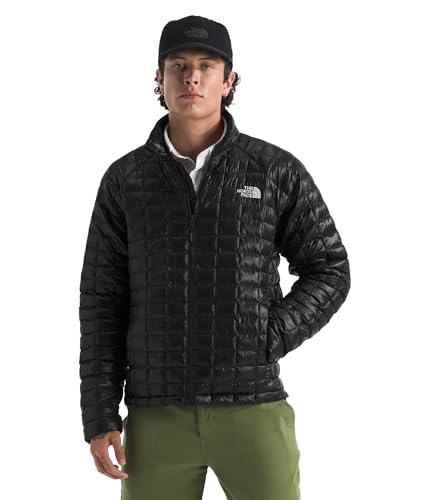
The North Face ThermoBall Insulated Jacket (Standard & Big Size), Blk, L | Wind & Water Resistant, Secure Zip Pockets
For more guidance on sizing and choosing a warm coat for kids, you may find Mens Goose Down Jacket with Hood: 5 Best Picks for Cold Winters (2026) and Women's Down Jacket Long: 6 Things to Check Before You Buy (2026) useful for comparing fit and fill across categories. If you want to keep a down coat in good shape, Wash Down Jacket Patagonia: A Step-by-Step Guide to Cleaning Your Puffy explains the general washing method that applies to most down garments, and Repair Down Jacket Tear: A Step-by-Step Guide to Fixing Rips at Home covers quick fixes for small holes.
FAQ
Is this down jacket waterproof?
No. The shell is listed as wind and water resistant, which handles light snow, drizzle and splashes. It is not designed to keep out sustained rain or wet snow. For long wet exposure, choose a waterproof jacket.
What does 600 fill power mean for a kids’ coat?
Fill power measures the loft of down. A 600-fill coat provides solid warmth for everyday winter use. It is usually sufficient for school and playground wear in typical cold temperatures when worn over a sweater or hoodie.
Should I buy a size up?
Many parents size up slightly to allow for layering and growth, but a jacket that is too large can let warm air escape. Aim for room to wear a sweater underneath without the arms or torso feeling tight.
How do I wash a down jacket like this?
Use a gentle, down-specific detergent, wash on a gentle cycle with warm water, and rinse thoroughly. Dry on low heat with clean tennis balls or dryer balls to restore loft. Check the care label first, since recycled shells can have specific guidance.
Is recycled down as warm as virgin down?
Recycled down is processed to meet cleaning and fill standards, and when rated at the same fill power, it is generally expected to provide comparable warmth. The main consideration is cleanliness and consistent quality, which reputable manufacturers test for.
Can this jacket handle very cold climates?
It is suited to cool to cold winter weather. In sustained sub-zero conditions or for long outdoor periods, add a base layer or consider a heavier insulated parka.
Does the ID label help?
Yes. A built-in ID label gives a clear spot to write a name, which is useful for school lockers, camps and shared coat racks.
Is this coat good for active play?
For walking, playground time and casual outdoor activity, it works well. For very high-exertion activities that generate a lot of body heat, a lighter layer or breathable shell may be more comfortable.
Final Verdict
A practical, warm everyday down coat for school and winter play
The THE NORTH FACE Girls’ Hydrenalite Down Hooded Jacket is a solid choice for families who want a warm, well-featured down coat for fall and winter. Its 600 fill recycled down, wind and water resistant shell, hood, zip pockets and ID label cover the daily needs of most kids and teens. It is not the right pick for sustained wet conditions or technical mountain use, and sizing ahead is worth considering for a growing child. If your winters are cold but mostly dry and your child spends time outdoors every day, this jacket is a sensible, practical option.
View on AmazonAbout Graham Fisher
Graham Fisher is part of our editorial team and reviews and edits our everyday winter gear guides, checking product details against manufacturer specifications and owner feedback.
About the author
Graham Fisher writes reviews and buying guides for Snow Crystals.