6 Best Insulated Men’s Jackets (2026): Our Picks
Find the best insulated men's jacket for cold winter days. We compare six picks by warmth, weather protection, fit and use, with buying tips and FAQs.
 By Graham Fisher
Updated November 22, 2026
 By Graham Fisher
Updated November 2026
Choosing the best insulated men’s jacket comes down to three things: how warm it stays at your actual activity level, whether it blocks wind and wet snow, and whether the fit leaves room for layers. The six picks below were selected from product listings, brand specifications and common owner feedback patterns. Each one is matched to a specific winter need rather than ranked against the others.
Our top picks at a glance
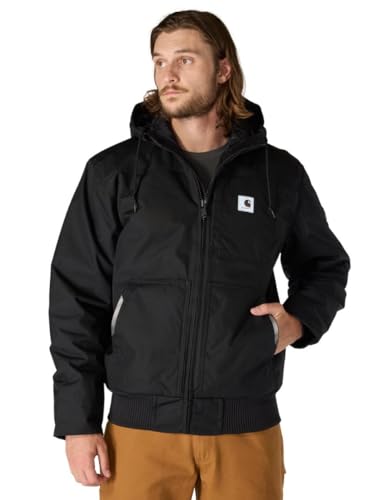
- 1TOP CHOICEBest overallCarhartt Men's Yukon Extremes Loose Fit Insulated Active JacketView on Amazon
- 2
 TOP CHOICEBest for work sitesYufawow Men Winter Jacket Work Coat Waterproof Windbreaker Insulated Heavy SoftshellView on Amazon
- 3
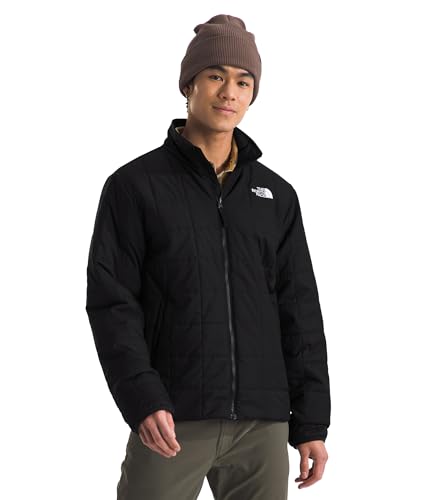 TOP CHOICEBest for commutingTHE NORTH FACE Men's Junction Insulated JacketView on Amazon
- 4
 Best for wet, changing weatherColumbia Men's Tipton Peak III Insulated JacketView on Amazon
- 5
 Best budget pickSWISSWELL Puffer Jacket Men with Hood Quilted Insulated Mens JacketsView on Amazon
- 6
 Best for extreme coldMen Winter Jacket Hood Work Coat Waterproof Windbreaker Fleece Flannel Lined InsulatedView on Amazon
Our Top Picks
Quick Comparison
| Product | Best for | Key feature |
|---|---|---|
| Carhartt Men’s Yukon Extremes Loose Fit Insulated Active Jacket | Overall cold-weather use | Loose cut, layering room |
| Yufawow Men Winter Jacket Work Coat | Work sites and outdoor labor | Waterproof, heavy softshell |
| THE NORTH FACE Men’s Junction Insulated Jacket | Daily commuting | Synthetic insulation, easy layering |
| Columbia Men’s Tipton Peak III Insulated Jacket | Wet, changing conditions | Waterproof warmth |
| SWISSWELL Puffer Jacket Men with Hood | Light winter errands | Lightweight quilted puffer |
| Men Winter Jacket Hood Work Coat Fleece Flannel Lined | Extreme cold snaps | Fleece-lined, heavy warmth |
Carhartt Men’s Yukon Extremes Loose Fit Insulated Active Jacket
Carhartt Men's Yukon Extremes Loose Fit Insulated Active Jacket-Black-X-Large
Best for: Overall cold-weather use
This suits men who spend long periods outdoors and want room to layer a hoodie or fleece underneath. The loose cut is a deliberate choice that makes movement easier during active tasks.
Pros
- Roomy cut accommodates mid-layers
- Durable outer shell built for rough use
Cons
- Bulkier silhouette than slim-fit options
Yufawow Men Winter Jacket Work Coat Waterproof Windbreaker Insulated Heavy Softshell
Yufawow Men Winter Jacket Work Coat Waterproof Windbreaker Insulated Heavy Softshell Heat Warm Thermal Clothes Ski Snow Snowboard Snowmobile Casual Outdoor Cold Weather Safety Security Construction
Best for: Work sites and outdoor labor
Aimed at men who work outside through wind, snow and wet ground and need a coat that handles abuse. Owners often describe it as a practical workhorse rather than a fashion piece.
Pros
- Windproof and water-resistant softshell construction
- Heavy insulation for sustained cold exposure
Cons
- Heavier than a typical commuter jacket
THE NORTH FACE Men’s Junction Insulated Jacket
THE NORTH FACE Men's Junction Insulated Jacket, TNF Black, L | 100g Synthetic Insulation, Easy Layering, Balanced Warmth to Weight Ratio, Recycled Polyester, Water Repellent, Zip Pockets
Best for: Daily commuting
A good match for men who walk or drive to work and want warmth without a bulky profile. Manufacturers note a balanced warmth-to-weight ratio and recycled polyester content.
Pros
- Synthetic insulation keeps some warmth when damp
- Water-repellent finish and zip pockets for everyday carry
Cons
- Less warm than heavy-fill winter parkas in deep cold
Columbia Men’s Tipton Peak III Insulated Jacket
Columbia Men's Tipton Peak III Insulated Jacket, Black, Medium | Tipton Peak III Insulated Jacket delivers waterproof warmth for cold, changing conditions
Best for: Wet, changing conditions
This fits men in regions where snow turns to slush and temperatures swing above and below freezing. The waterproof build is the main selling point.
Pros
- Waterproof shell suited to slush and sleet
- Balanced warmth for shifting temperatures
Cons
- Not intended for prolonged sub-zero stillness
SWISSWELL Puffer Jacket Men with Hood Quilted Insulated Mens Jackets
SWISSWELL Puffer Jacket Men with Hood Quilted Insulated Mens Jackets Lightweight Waterproof Coat Warm Winter Zip Up Hooded Jacket Black M
Best for: Light winter errands
A sensible budget choice for men who need warmth for short walks, car-to-door trips and mild winter days rather than extended exposure.
Pros
- Lightweight and easy to pack
- Hood adds coverage in light wind
Cons
- Thinner insulation than premium parkas
Men Winter Jacket Hood Work Coat Waterproof Windbreaker Fleece Flannel Lined Insulated
Men Winter Jacket Hood Work Coat Waterproof Windbreaker Fleece Flannel Lined Insulated Heavy Softshell Heat Warm Clothes Ski Snow Snowboard Snowmobile Pant Bid Overall Extreme Cold Weather Black
Best for: Extreme cold snaps
Suited to men facing prolonged deep cold, such as ice fishing, snowmobiling or outdoor shift work in northern climates.
Pros
- Fleece lining adds warmth at the core
- Windproof and water-resistant outer layer
Cons
- Heavy and warm enough to be too much in mild weather
Buying Guide
Insulation Type and Warmth Level
Insulation determines how much heat the jacket holds in. Synthetic fills like polyester keep most of their warmth when damp and are generally easier to care for, which makes them a practical choice for wet snow and changing weather. Check whether the listing gives a clear insulation weight or fill description, since that tells you how the jacket is meant to perform.
Match the warmth level to how you will use the jacket. A light insulated layer works well under a shell for active use, while heavier fills suit standing around in cold conditions such as watching a game or working outdoors for long stretches.
Wind and Water Protection
A jacket that breaks the wind will feel noticeably warmer than one that lets air pass through the fabric. Look for a windproof or wind-resistant outer shell, especially if you plan to be out in exposed areas. Note the difference between water repellent and waterproof: a water-repellent finish sheds light moisture, while fully waterproof construction handles heavy snow and rain better.
Fit and Layering Room
Think about what you will wear underneath. A slim fit can feel restrictive over a sweater or fleece, and a jacket that is too tight compresses the insulation and reduces its effectiveness. A looser or relaxed cut gives you room to add layers, while a trimmer cut is better if you mainly wear the jacket alone or under a thin base layer.
Hood, Pockets and Closures
A hood adds real protection for your head and neck in snow and wind, but check whether it is adjustable and whether it fits over a helmet if you ski or ride. Zippered pockets keep small items secure, and a storm flap or chin guard on the zipper helps block cold air. These details matter more than they seem once you spend long hours outside.
Intended Use and Durability
Consider the environment where you will wear the jacket most. Work and construction coats need tougher fabric and practical pockets, while outdoor recreation jackets may prioritize breathability and mobility. Heavier-duty materials often add weight, so choose the balance that fits your daily routine.
FAQ
Is a synthetic insulated jacket better than down?
Synthetic insulation performs better when it gets wet and is generally easier to maintain, which suits snowy or damp conditions. Down can offer excellent warmth for its weight when dry, but it loses insulating power if it becomes soaked. Your choice depends on how dry or wet your winter typically is.
How do I know what size to order?
Measure your chest and compare it against the brand’s size chart, since sizing varies between manufacturers. If you plan to wear layers underneath, consider sizing up for more room. Reading recent customer comments about fit can also help you judge whether a jacket runs large or small.
Can an insulated jacket keep me warm in extreme cold?
A jacket provides a large part of your warmth, but staying comfortable in very low temperatures also depends on layering, hats, gloves and footwear. Choose a jacket rated for the coldest conditions you expect, and add a base layer for extra protection. Pairing the jacket with a windproof outer layer improves results in strong wind.
Are waterproof jackets also breathable?
Some waterproof jackets are designed to let moisture from perspiration escape, while others prioritize blocking water more than breathability. If you sweat during activity, look for features that mention breathability or ventilation. For mostly standing or light walking in cold weather, breathability is less critical.
How should I care for an insulated jacket?
Follow the washing instructions on the care label, and avoid fabric softeners, which can reduce the performance of the insulation and water-resistant finish. Air drying or a low-heat dryer setting helps protect the fill. Reapplying a water-repellent treatment when water stops beading on the surface can extend the jacket’s life.
Conclusion
For active outdoor use such as skiing, snowboarding or snowmobiling, the jackets with stronger weather protection and room for layers will serve you best. For everyday winter wear or lighter cold-weather use, a more streamlined insulated option with good warmth-to-weight balance is usually the better fit.
For work and construction settings, prioritize durable outer fabric, practical pockets and the wind and water protection your job demands. Match the jacket to your main use, and you will get the most warmth and value from your purchase.
Related reading
- 7 Best Men's Insulated Winter Jackets for Cold Weather (2026)
- 6 Best Men's Insulated Rain Jackets for Cold Winter Days (2026)
- 6 Best Men's Dickies Insulated Eisenhower Jackets (2026): Our Picks
- 5 Best Men's Insulated Snow Jackets for Cold Winter Days (2026)
- Carhartt Men's Montana Loose Fit Insulated Jacket: Fit, Warmth and Winter Use
- Carhartt Men's Montana Insulated Jacket: Fit, Warmth and Winter Use Guide
About Graham Fisher
Graham Fisher is part of our editorial team and reviews and edits our everyday winter gear guides, checking product details against manufacturer specifications and owner feedback.
About the author
Graham Fisher writes reviews and buying guides for Snow Crystals.