Columbia Youth Snow Boots Review: Features and Performance
Columbia youth snow boots review covering waterproofing, insulation, traction and fit. See who this Bugaboot Celsius boot suits and who should skip it.
 By Colin Foster
Updated November 12, 2026
 By Colin Foster
Updated November 2026
Columbia youth snow boots are a common pick for parents who want a waterproof, insulated boot that can handle slush, packed snow and the long walks to the bus stop. This review looks at the Columbia Youth Bugaboot Celsius Insulated Waterproof Snow Boot, based on its listed features and the patterns owners tend to report. It is a good fit for kids who spend time outdoors in cold, wet weather and whose feet run warm enough to handle a fully insulated boot. It is a weaker choice for children who need a very lightweight boot for mild winters, or for parents who expect a boot that will stay dry through hours of deep, standing snow without any additional help.
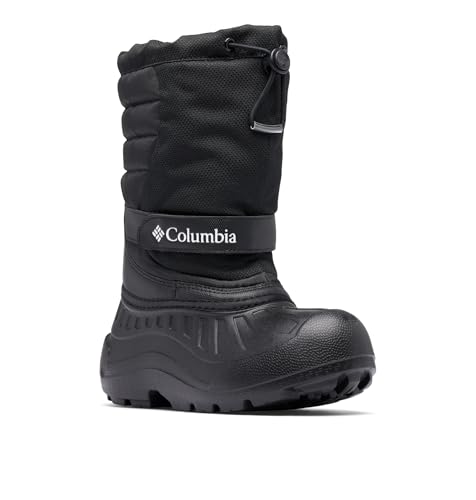
Columbia Youth Bugaboot Celsius Insulated Waterproof Snow Boot | Fully Waterproof, Insulated, Breathable, High Traction
Product Overview
The Columbia Youth Bugaboot Celsius is a children’s snow boot built around three things the product name points to: waterproofing, insulation and grip. The listing describes it as fully waterproof, insulated, breathable and high traction. Those four words describe the core design goal. The boot is meant to keep water out, hold warmth in, let some moisture escape, and grip slick surfaces such as wet sidewalks, ice patches and packed snow.
Columbia has made Bugaboot-style boots for many years, and the Bugaboot name is closely associated with the brand’s cold-weather footwear line. For families, the appeal is straightforward. A youth boot in this category usually has a rubber or rubber-compound lower section for water protection, a fabric or synthetic upper, a removable or built-in insulating liner, and a lug outsole for traction. The Celsius version sits in that general family of designs.
Because youth sizing covers a wide range of ages and foot shapes, the most important variable is fit. A boot that feels roomy on a toddler can feel tight on a growing eight-year-old. Before buying, check the size chart against your child’s measured foot length rather than relying on age alone.
Key Features & Specifications
The table below lists the features that are stated in the product name and listing. Where a detail is not clearly confirmed, it is left out rather than guessed.
| Feature | What It Means for Your Child |
|---|---|
| Fully waterproof construction | Designed to keep wet snow, slush and puddles from soaking through to the foot during normal use. |
| Insulated | Built with insulation to hold heat in cold conditions, suited to standing or walking outdoors in freezing temperatures. |
| Breathable | Intended to let some internal moisture escape, which helps reduce clammy feet during active play. |
| High traction outsole | Lugged rubber sole intended to improve grip on snow, ice and wet pavement. |
| Youth sizing | Designed for children’s feet; check the brand size chart against your child’s measured foot length. |
| Style | Bugaboot Celsius line, a classic pull-on or lace-up snow boot silhouette for kids. |
Manufacturers typically specify temperature ratings and exact insulation weights for adult boots, and those figures are not always published for youth models. If a specific rating matters to you, check the product page directly or contact the brand before buying.
Pros & Cons
Pros
- Waterproof construction suited to slush, wet snow and rain-soaked sidewalks.
- Insulation intended for cold-weather play and school-day walking.
- Breathability helps reduce sweaty feet during active outdoor time.
- Lugged outsole designed to add grip on snow and icy patches.
- Recognizable Columbia Bugaboot styling that many kids find appealing.
Cons
- Insulated boots are warm, so they can be too heavy or hot for mild winter days.
- Youth fit varies, and sizing may need careful measuring for a good heel hold.
- Wide-footed kids may find the standard width snug.
- Thick insulation can make it harder for young children to pull the boots on alone.
- Traction on hard, glazed ice is limited compared with specialized ice-grip boots.
Performance Analysis
Looking at the listed specifications alongside general owner feedback for this boot family, a few patterns stand out. The waterproof construction is the feature parents most often rely on. For daily school commutes through wet snow, a fully waterproof upper and sealed seams are what keep socks dry through a full day. Owners of boots in this style often report that the boots keep feet dry in typical slush, though prolonged standing in deep, fresh snow can still let moisture in at the top of the boot if snow packs over the collar.
Insulation is the second major factor. A boot labeled insulated is generally designed for temperatures well below freezing, and for most children that means it works well from the upper teens Fahrenheit down into the single digits when paired with a thin wool or synthetic sock. Layering matters. A thick sock inside a snug boot can reduce circulation and make feet feel colder, not warmer. A single medium-weight sock is usually the better choice.
Traction is where expectations should be realistic. Lugged outsoles help a great deal on packed snow and slushy pavement. On glazed or polished ice, however, almost any rubber lug sole will slip, and parents who live where that is common may want to look at boots with dedicated ice-grip features or add removable traction devices. Breathability also has limits. Insulated waterproof boots trap more heat than unlined rain boots, so active kids may still sweat during recess or sledding. Taking the boots off to air out at home helps extend their comfort and lifespan.
Durability is generally reasonable for a youth winter boot, though children’s boots are exposed to rough use. Scuffs on the toe, wear on the outsole lugs and stretching of laces or closures are common over a season. Keeping the boots dry between wears and cleaning off salt helps the materials last longer.
Who Should Buy This Product?
This boot suits families in cold, snowy or slushy climates where children walk to school, play outside for long stretches or spend time at winter sports events. It is a sensible choice for kids who run cold, since the insulation provides real warmth. Parents who want a single boot that handles both snow and wet weather without a separate rain boot will likely find it useful.
It is a weaker match for families in mild winter regions where a lighter boot would be more comfortable, for children who sweat heavily and dislike warm footwear, and for kids who need an extra-wide fit. Parents of toddlers who are still learning to walk may also want a boot with a more flexible, lighter sole.
Buying Guide
Choosing the right youth snow boot comes down to a few measurable factors. Use this checklist before you order.
- Measure the foot, not the age. Trace your child’s foot on paper, measure from heel to longest toe in inches, and compare that to the brand size chart. Leave about a half-inch of room at the toe for growth.
- Check the heel fit. The heel should not lift when your child walks. A little slip is a sign the boot is too big and will cause blisters.
- Match insulation to climate. Heavier insulation suits sustained temperatures in the teens and below. In milder areas, a lighter or unlined waterproof boot may be more comfortable.
- Consider sock thickness. Plan for one medium-weight sock. Boots that are sized for thick socks can feel loose on bare or thin-sock days.
- Look at the outsole. Deep, multidirectional lugs help on snow. Ask whether your typical conditions involve ice, which may call for a boot with added grip features.
- Test ease of putting on. Pull-on styles are quick for young children. Lace-up styles offer more adjustability for a precise fit.
Several well-known alternatives are worth comparing. The Columbia Youth Powderbug Snowlite is a lighter-weight waterproof option in the same brand family, which may suit milder climates.
Columbia Youth Powderbug Snowlite Waterproof Snow Boot, Black/White, 8
For families who want a mid-height insulated boot with a different feel, the Columbia Youth Snowtrot Mid Insulated is another option to consider, particularly if your child prefers a boot that rises higher on the ankle.

Columbia Youth Snowtrot Mid Insulated Snow Boot, Black/Black Mountopia, 6 Regular
If you are also shopping for an adult pair or want to see how this boot family compares across age groups, you may find these related guides useful: Columbia Sportswear Snow Boots: How to Choose a Warm, Durable Pair, Columbia Ice Maiden II Snow Boots: Fit, Warmth and Winter Use Guide and 7 Best Columbia Boots for Snow: Our Picks for Cold, Wet Winter Days. For parents comparing winter boots from other brands, Sorel Men's Caribou Snow Boots: 4 Best Picks Compared (2026) offers a useful contrast in insulation and build.
FAQ
Are Columbia youth snow boots waterproof?
The Bugaboot Celsius is described as fully waterproof, which means it is designed to keep wet snow and slush from soaking through during normal use. Waterproofing performance can decline over time with heavy wear, so keep the boots clean and dry between uses.
How do I know what size to buy?
Measure your child’s foot length in inches while standing, then compare that number to the brand’s youth size chart. Allow roughly a half-inch of growing room at the toe, but make sure the heel does not slip when walking.
Are these boots warm enough for very cold weather?
The boot is insulated, which suits cold conditions. Manufacturers do not always publish exact temperature ratings for youth models, so if you live where temperatures regularly fall well below zero Fahrenheit, check the product details or ask the brand before buying.
Do the boots run large or small?
Youth sizing can vary by model and by how the boot is built. Because the boot is insulated and designed for warm socks, many parents size carefully rather than going up a full size. Reading recent owner feedback on the product page can help you spot any consistent sizing comments.
Can kids wear them with thick socks?
Medium-weight socks are generally the best choice. Very thick socks can make a snug boot feel tight and reduce circulation, which can make feet colder rather than warmer.
Are these good for ice?
The lugged outsole helps on packed snow and slushy pavement. On polished or glazed ice, most rubber-soled boots will slip. Families who regularly face icy conditions may want to add removable traction devices or consider a boot with dedicated ice-grip features.
How should I care for them to make them last?
Remove salt and grit after each wear, let the boots air dry away from direct heat, and stuff them with newspaper or a boot dryer to draw out moisture. Avoid placing them right next to a heater, which can crack rubber and dry out materials.
Are these boots suitable for wide feet?
Standard youth widths may feel snug for kids with wide feet. If your child has a broad forefoot, check whether the brand offers wide sizing for this model and measure carefully before ordering.
Final Verdict
The Columbia Youth Bugaboot Celsius is a practical, well-suited choice for kids who face cold, wet winters and need a single boot that handles snow, slush and long days outdoors. Its waterproofing, insulation and lugged outsole address the core needs of winter footwear. It is less ideal for mild climates, for heavy sweaters, or for families who regularly encounter glazed ice. Measure your child’s foot before ordering, pair the boots with one medium-weight sock, and you will have a dependable winter boot.
View on AmazonRelated reading
- Men's Columbia Snow Boots: 6 Best Picks for Cold, Wet Winter Days
- Columbia Snow Boots for Men: 7 Best Picks for Cold, Wet Winter Days
About Colin Foster
Colin Foster is part of our editorial team and reviews and edits our everyday winter gear guides, checking product details against manufacturer specifications and owner feedback.
About the author
Colin Foster writes reviews and buying guides for Snow Crystals.