6 Best LLBean Ultralight 850 Down Jacket Options for Winter 2026
Looking for an llbean ultralight 850 down jacket alternative? Compare six packable 850-fill down jackets by warmth, weight and weather protection before you buy
 By Graham Fisher
Updated November 20, 2026
 By Graham Fisher
Updated November 2026
Shoppers searching for an llbean ultralight 850 down jacket usually want the same things: high loft warmth, a light packable shell and enough weather resistance for cold commutes or winter hikes. This list compares six 850-fill and 700-fill down jackets on fill power, shell fabric, packability, hood design and water resistance, using manufacturer specifications and common owner feedback as the basis for each pick.
Our top picks at a glance
- 1TOP CHOICEBest overallPioneer Camp 850 Fill Goose Down Jacket Men Lightweight Packable Puffer Jacket with HoodView on Amazon
- 2
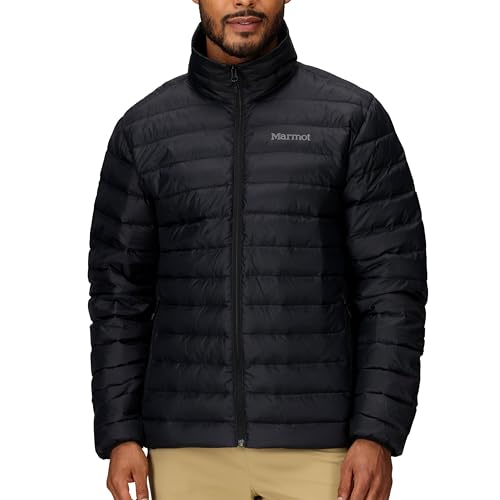 TOP CHOICEBest for water resistanceMarmot Men's Zeus Down-Insulated JacketView on Amazon
- 3
 TOP CHOICEBest for technical climbingPioneer Camp 800 Fill Power Goose Down Jacket Men Climbing MountaineeringView on Amazon
- 4
 Best budget pickLANMAY Men's Ultralight Packable Hooded Down Jacket Puffer Down CoatsView on Amazon
- 5
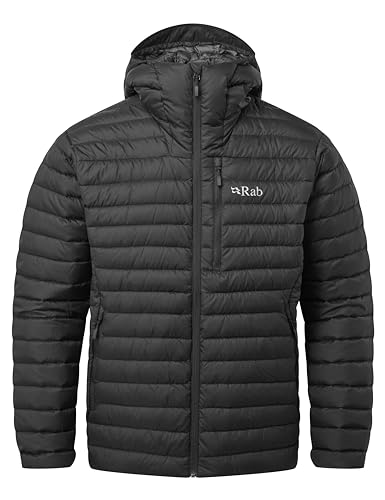 Best for alpine coldRab Men's Microlight Alpine Down JacketView on Amazon
- 6
 Best for everyday wearColumbia Men's Delta Ridge II Down JacketView on Amazon
Our Top Picks
| Product | Best for | Key feature |
|---|---|---|
| Pioneer Camp 850 Fill Goose Down Jacket | Overall warmth-to-weight | 850-fill goose down |
| Marmot Men’s Zeus Down-Insulated Jacket | Water resistance | Down Defender treatment |
| Pioneer Camp 800 Fill Power Goose Down Jacket | Technical climbing | TEFLON weather shield |
| LANMAY Men’s Ultralight Packable Hooded Down Jacket | Budget packability | Packs into its own pocket |
| Rab Men’s Microlight Alpine Down Jacket | Alpine cold | 700-fill hooded puffer |
| Columbia Men’s Delta Ridge II Down Jacket | Everyday wear | Relaxed, versatile fit |
Pioneer Camp 850 Fill Goose Down Jacket Men Lightweight Packable Puffer Jacket with Hood
Pioneer Camp 850 Fill Goose Down Jacket Men Lightweight Packable Puffer Jacket with Hood Insulated Warm Winter Puffy Coat
Best for: Overall warmth-to-weight ratio
This is the closest match to the 850-fill ultralight profile shoppers look for, suited to people who want maximum insulation without a bulky pack size.
Pros
- 850 fill power goose down for high loft at low weight
- Packable design that fits in a small stuff sack
Cons
- Light shell offers limited wind and rain protection
Marmot Men’s Zeus Down-Insulated Jacket
Marmot Men's Zeus Down-Insulated Jacket, Black, Small | 700-fill-power Down, Lightweight Nylon Ripstop Shell, Down Defender Water Resistance, Packs into Pocket, Cold-weather Warmth
Best for: Water resistance
A good fit for people who face wet snow or drizzle on their commute and want a down layer that handles light moisture better than most ultralight shells.
Pros
- Down Defender water-resistance treatment on the insulation
- Lightweight nylon ripstop shell that packs into its pocket
Cons
- 700 fill is slightly less compressible than 850
Pioneer Camp 800 Fill Power Goose Down Jacket Men Climbing Mountaineering
Pioneer Camp 800 Fill Power Goose Down Jacket Men Climbing Mountaineering | RDS Certified, Lightweight 20D Nylon Shell, TEFLON Weather-Shield Protection,Graphene Warmth Lining, Alpine Trekking Layer
Best for: Technical climbing
Built for people who layer over base gear on climbs or alpine trekking days and need a durable shell with weather protection.
Pros
- TEFLON weather-shield finish on a 20D nylon shell
- Graphene warmth lining adds insulation without much bulk
Cons
- Fit runs trim, so sizing up is common advice
LANMAY Men’s Ultralight Packable Hooded Down Jacket Puffer Down Coats
LANMAY Men's Ultralight Packable Hooded Down Jacket Puffer Down Coats (Medium, Black)
Best for: Budget packability
A budget pick for shoppers who want a packable hooded layer for travel, casual winter use or as a backup jacket in the pack.
Pros
- Packs down small enough for carry-on bags
- Hood adds warmth in cold, windy conditions
Cons
- Owners often report less durability than premium shells
Rab Men’s Microlight Alpine Down Jacket
Rab Men's Microlight Alpine Down Jacket – Black – XL | 700-Fill, Hooded Puffer Coat for Hiking, Climbing, & Skiing
Best for: Alpine cold
Suited to hikers, climbers and skiers who spend long periods at rest in very cold air and want a hooded puffer that holds heat well.
Pros
- 700-fill down in a hooded, sealed-baffle construction
- Designed for hiking, climbing and skiing use
Cons
- Less compressible than the 850-fill options
Columbia Men’s Delta Ridge II Down Jacket
Columbia Men's Delta Ridge II Down Jacket, Black, Medium | Why We Like The Columbia Delta Ridge II Down Jacket
Best for: Everyday wear
A practical choice for daily commutes, errands and winter walks where a relaxed fit and easy styling matter as much as warmth.
Pros
- Relaxed fit layers easily over sweaters
- Familiar brand with broadly available sizing
Cons
- Heavier than dedicated ultralight models
Buying Guide
Fill Power and Warmth
Fill power measures how much space one ounce of down occupies, and higher numbers generally mean more loft and better insulation for the weight. An 850-fill jacket will typically feel warmer and lighter than a 700-fill jacket, though actual warmth also depends on how much down is packed into the garment. Consider where you will wear the jacket before deciding how much fill power you really need.
Shell Fabric and Durability
Ultralight jackets usually use thin nylon or polyester shells, often in deniers like 20D. Thinner fabrics save weight and pack small, but they can be more prone to snags and abrasion. If you plan to scramble over rock or brush through trees, look for a shell that balances low weight with reasonable toughness.
Water Resistance and Weather Treatments
Down loses insulating power when it gets wet, so a water-resistant finish such as a DWR coating helps keep moisture out. Treatments like these shed light precipitation and snow but are not a substitute for a true rain shell in heavy weather. Think about the typical conditions you face and whether a light shield is enough.
Packability and Weight
Many down jackets stuff into their own pocket and can fit into a small stuff sack, which matters for travel and for carrying a layer in a daypack. Lower weight is helpful on long walks, but very light jackets may sacrifice some durability or extra features. Check the packed size and weight if you plan to carry the jacket often.
Fit, Hood and Layering
A hood adds noticeable warmth around the head and neck, but it should fit well enough to turn without restricting your view. Consider how the jacket fits over a base layer or under a shell, since sizing that is too tight can compress the down and reduce its warmth. Look for adjustable cuffs and a hem that seals out drafts when conditions turn cold.
FAQ
Is an 850-fill down jacket warmer than a 700-fill jacket?
In many cases an 850-fill jacket will offer more warmth per ounce because the down loft is greater. However, the total amount of down and the baffle construction also strongly affect how warm a jacket feels. Compare the overall design rather than fill power alone.
Can I wear a down jacket in the rain?
Most ultralight down jackets are only water resistant, so light drizzle or snow may be fine but steady rain can soak the down. If you expect wet weather, pair the jacket with a waterproof shell. Keeping the down dry is the key to maintaining its warmth.
How should I wash and store a down jacket?
Use a gentle, down-specific cleaner and wash on a gentle cycle, then dry thoroughly on low heat with a few dryer balls to restore loft. For storage, keep the jacket loosely hung or in a large breathable bag rather than compressed in a stuff sack for long periods. Following the care label is always a good idea.
Are these jackets suitable for skiing or mountaineering?
Several of these jackets are designed for active use like hiking, climbing and skiing, but they are typically best as insulating mid-layers or lightweight outer layers in dry conditions. For sustained exposure to harsh wind and wet snow, add a waterproof shell. Match the jacket to your planned activity and climate.
What size should I buy?
Check each brand’s size chart and measure your chest and shoulders, since fit varies between manufacturers. Choose a size that allows room for a base or mid layer without feeling baggy. A proper fit helps the down loft evenly and keeps heat in.
Do I need a hood on a down jacket?
A hood is useful in cold wind and snow because a large amount of body heat escapes through the head and neck. If you mostly wear the jacket as a casual layer in mild weather, a hood-less design may be more comfortable. Choose based on how cold your typical days are.
Conclusion
If you want the lightest, most packable option for dry cold weather, a high-fill ultralight jacket with a fine nylon shell is a strong choice. Shoppers who expect rougher conditions or more frequent rain may prefer a jacket with extra water resistance or a more durable shell.
For everyday winter wear and the occasional trail outing, a balanced jacket with a comfortable fit and a practical hood will serve most people well. Match the fill power, weather protection and packability to how you actually plan to use the jacket, and you will end up with a piece that performs well for years.
Related reading
- Ultralight Down Jacket Uniqlo: How to Choose, Layer and Care for One (2026)
- Women's Warm Down Jacket Picks: 7 Best for Cold Winters (2026)
- Women's Down Jacket North Face: How to Choose the Right Warmth (2026)
About Graham Fisher
Graham Fisher is part of our editorial team and reviews and edits our everyday winter gear guides, checking product details against manufacturer specifications and owner feedback.
About the author
Graham Fisher writes reviews and buying guides for Snow Crystals.