6 Best Mens North Face Insulated Jacket Picks for Winter 2026
Compare six mens North Face insulated jacket options by warmth, weight, weather protection and fit, with pros, cons and a guide to choosing the right one.
 By Graham Fisher
Updated November 22, 2026
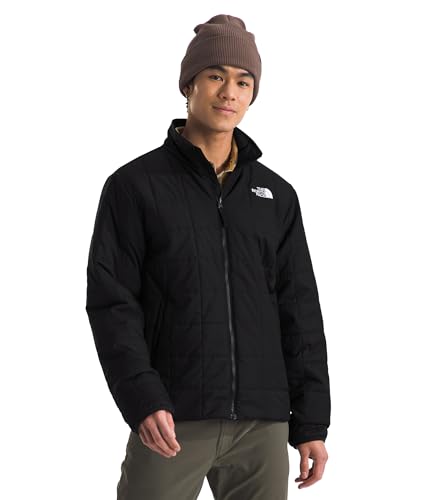 By Graham Fisher
Updated November 2026
Choosing a mens North Face insulated jacket comes down to three things: how much warmth you need, how much weather protection you want, and how much you plan to move while wearing it. The picks below are based on product listings, brand specifications and common owner feedback patterns, weighed against those criteria. Each one fits a slightly different winter routine.
Our top picks at a glance
- 1TOP CHOICEBest overallTHE NORTH FACE Men's Junction Insulated JacketView on Amazon
- 2
 TOP CHOICEBest for wet, snowy commutesTHE NORTH FACE Men's Quest Insulated JacketView on Amazon
- 3
 TOP CHOICEBest for deep coldTHE NORTH FACE Men's Aconcagua Hooded JacketView on Amazon
- 4
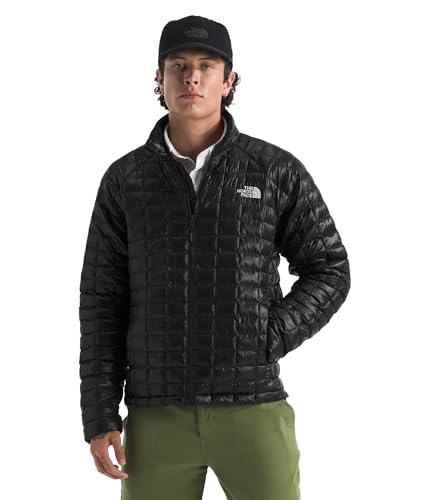 Best for larger buildsThe North Face ThermoBall Insulated JacketView on Amazon
- 5
 Best for active winter hikingTHE NORTH FACE Men's Apex Elevation Insulated JacketView on Amazon
- 6
 Best for rain and light snowTHE NORTH FACE Men's Antora JacketView on Amazon
Our Top Picks
| Product | Best for | Key feature |
|---|---|---|
| THE NORTH FACE Men’s Junction Insulated Jacket | Everyday layering | 100g synthetic insulation |
| THE NORTH FACE Men’s Quest Insulated Jacket | Wet, snowy commutes | Waterproof 2L shell |
| THE NORTH FACE Men’s Aconcagua Hooded Jacket | Deep cold | 200g synthetic insulation |
| The North Face ThermoBall Insulated Jacket | Larger builds | Standard and big sizes |
| THE NORTH FACE Men’s Apex Elevation Insulated Jacket | Active winter hiking | Flexible winter softshell |
| THE NORTH FACE Men’s Antora Jacket | Rain and light snow | Waterproof, windproof shell |
THE NORTH FACE Men’s Junction Insulated Jacket
THE NORTH FACE Men's Junction Insulated Jacket, TNF Black, L | 100g Synthetic Insulation, Easy Layering, Balanced Warmth to Weight Ratio, Recycled Polyester, Water Repellent, Zip Pockets
Best for: Everyday layering
This suits men who want a warm, versatile jacket for daily wear in cold but not extreme conditions. The 100g synthetic insulation offers a balanced warmth-to-weight ratio that works well under a heavier coat or alone.
Pros
- Easy to layer over or under other pieces
- Recycled polyester construction with zip pockets
Cons
- Less wind and water protection than a dedicated shell
THE NORTH FACE Men’s Quest Insulated Jacket
THE NORTH FACE Men's Quest Insulated Jacket, TNF Black, M | Waterproof 2L Shell, Lightweight 100g Synthetic Insulation, 100% Recycled Fabric, Adjustable Hood & Hem, Secure Zip Pockets
Best for: Wet, snowy commutes
This is a fit for men who walk, bike or drive through slush and wet snow and need the outer layer to shed moisture. The waterproof 2L shell paired with lightweight 100g insulation keeps the profile manageable.
Pros
- Waterproof 2L shell with adjustable hood and hem
- 100% recycled fabric construction
Cons
- Lighter insulation may feel thin in sustained sub-freezing wind
THE NORTH FACE Men’s Aconcagua Hooded Jacket
THE NORTH FACE Men's Aconcagua Hooded Jacket, TNF Black, M | Updated with Synthetic Insulation (200g), Wind & Water Resistant, Insulated Hood, Adjustable Hem, Warm Winter Puffer Coat
Best for: Deep cold
This is for men who spend time outdoors in serious cold, such as shoveling, sports sidelines or standing still for long stretches. The 200g synthetic fill and insulated hood add noticeable warmth.
Pros
- 200g synthetic insulation with an insulated hood
- Wind and water resistant with an adjustable hem
Cons
- Bulkier cut can limit movement during active use
The North Face ThermoBall Insulated Jacket
The North Face ThermoBall Insulated Jacket (Standard & Big Size), Blk, XXL | Wind & Water Resistant, Secure Zip Pockets
Best for: Larger builds
This works for men who need extra room in the chest, shoulders or length, with standard and big sizes available. It is a straightforward insulated option with wind and water resistance for general winter wear.
Pros
- Available in standard and big sizes
- Secure zip pockets for everyday carry
Cons
- Fit and styling are more relaxed than athletic cuts
THE NORTH FACE Men’s Apex Elevation Insulated Jacket
THE NORTH FACE Men's Apex Elevation Insulated Jacket, Summit Navy-NPF, XL | Flexible Insulated Winter Softshell, Wind & Water Resistant Hiking Coat with Adjustable Hood, Zippered Hand & Chest Pockets
Best for: Active winter hiking
This suits men who hike, snowshoe or climb in winter and want a jacket that stretches with them. The flexible softshell construction allows movement that stiffer parkas restrict.
Pros
- Flexible winter softshell that moves with you
- Zippered hand and chest pockets with an adjustable hood
Cons
- Less insulation than a puffer for stationary cold
THE NORTH FACE Men’s Antora Jacket
THE NORTH FACE Men's Antora Jacket (S&B), TNF Black-NPF, M | Waterproof & Windproof, Adjustable Hood & Hem, Alpine-Style Zip Hand Pockets, Breathable 100% Recycled Fabric Raincoat
Best for: Rain and light snow
This is for men who face wet, windy conditions more than deep cold and want a lightweight shell with a breathable build. It works well as a rain layer over a warmer midlayer.
Pros
- Waterproof and windproof with 100% recycled fabric
- Adjustable hood and hem with alpine-style zip hand pockets
Cons
- Offers little insulation on its own in freezing temperatures
Buying Guide
Warmth Level and Insulation Weight
Insulation weight, usually listed in grams, gives you a rough sense of how warm a jacket will feel. Lighter fills suit mild winter days and active use, while heavier fills are better for standing still in cold weather. Match the rating to how much time you spend outdoors and how much you move.
Weather Protection
Look for descriptions like water resistant, wind resistant, or waterproof. Water resistant jackets handle light snow and drizzle, while waterproof shells are better for steady rain or slush. If you commute in wet conditions, prioritize a more protective outer fabric.
Fit, Layering and Mobility
Consider whether you will wear a sweater or fleece underneath. A slightly roomier cut makes layering easier, but an overly loose fit lets cold air in. Flexible insulated softshells are a good choice if you climb, hike or do other movement-heavy activities.
Hood, Hem and Pocket Details
Adjustable hoods and hems help seal in heat and block wind around the face and waist. Zippered pockets keep small items secure and add useful storage when you are carrying gear. Check that these features suit how you plan to use the jacket.
Sizing and Materials
Men’s sizing can vary between styles, so review the size chart before ordering and compare your chest and shoulder measurements. Recycled polyester shells and insulation are common in current models if environmental impact matters to you. Choose the material and fit that balance comfort, durability and your daily routine.
FAQ
What is the warmest mens North Face insulated jacket?
Warmth depends on insulation weight and cut, and the heavier-fill options in this roundup are generally better for very cold conditions. The Aconcagua Hooded Jacket is the one geared toward deeper cold. Pair any jacket with proper base and mid layers for the best results.
Is a North Face insulated jacket waterproof?
Not every model is fully waterproof. Some are water resistant, which handles light precipitation, while others use a waterproof shell for wetter weather. Check the product description for the exact protection level before buying.
Can I wear a mens insulated jacket for hiking?
Yes, especially lighter or more flexible models designed for movement. The Apex Elevation is built for active use and gives you more freedom of motion. For steady hiking, avoid very heavy jackets that may cause overheating.
How should I size a North Face insulated jacket?
Start with the brand’s size chart and measure your chest and shoulders. If you plan to layer heavily underneath, consider sizing up slightly. A snug but comfortable fit usually works best for insulation performance.
How do I care for an insulated jacket?
Follow the care label, and generally wash on a gentle cycle with a technical-fabric detergent. Avoid fabric softener, which can reduce insulation loft. Tumble dry on low with a few clean dryer balls to help restore fluffiness.
Conclusion
If you want an all-around winter jacket, the Junction is a balanced place to start, and the Quest suits wet, snowy commutes well. For serious cold, the Aconcagua Hooded Jacket and ThermoBall are the heavier-duty options to consider.
Active hikers and movers will likely prefer the flexible Apex Elevation, while those who need reliable rain protection should look at the Antora. Choose based on your typical weather, your activity level and how much layering you plan to do.
Related reading
- Women's North Face Insulated Jacket: How to Choose the Right Warmth (2026)
- Down Jacket Men The North Face: How to Choose the Right Warmth (2026)
- Carhartt Men's Montana Loose Fit Insulated Jacket: Fit, Warmth and Winter Use
- Carhartt Men's Montana Insulated Jacket: Fit, Warmth and Winter Use Guide
- Ariat Men's Crius Hooded Insulated Jacket: Is It Warm Enough for Winter?
- 7 Best Men's Insulated Winter Jackets for Cold Weather (2026)
About Graham Fisher
Graham Fisher is part of our editorial team and reviews and edits our everyday winter gear guides, checking product details against manufacturer specifications and owner feedback.
About the author
Graham Fisher writes reviews and buying guides for Snow Crystals.