North Face Women’s Snow Boots Review: Pros and Cons
Reviewing The North Face women's snow boots, the Thermoball Lace Up WP. See who they suit, key specs, pros, cons and better alternatives before you buy.
 By Colin Foster
Updated November 10, 2026
 By Colin Foster
Updated November 2026
If you are shopping for north face women’s snow boots, the Thermoball Lace Up Waterproof model is one of the lighter, more flexible options in the brand’s winter lineup. This review is based on the manufacturer’s listed specifications and patterns in owner feedback, not on our own testing. These boots suit people who walk on packed snow, commute through slush, or run errands in cold, wet weather and want something that does not feel heavy on the feet. They are less suited to serious backcountry travel, deep-cold expedition use, or anyone who needs a very wide toe box or a boot with a stiff, supportive shank for carrying heavy loads. Read on for the details that matter before you decide.
THE NORTH FACE Women's Thermoball Lace Up WP Boot, Almond Butter/Blk, 6 | Lightweight 100g Insulated Winter Boots, Flexible & Cushioned Footbed, Oso Fleece Lined Collar, Ankle Bungee Keeps Snow Out
Product Overview
The THE NORTH FACE Women’s Thermoball Lace Up WP Boot is a mid-height, lace-up winter boot built around synthetic Thermoball insulation. The brand’s listing describes it as a lightweight boot, with a flexible and cushioned footbed, an Oso fleece-lined collar and an ankle bungee designed to keep snow from sliding down into the shaft. The waterproof designation indicates a membrane or sealed construction intended to keep moisture out in wet snow and slush.
The model is part of the brand’s broader women’s winter footwear range, which leans on synthetic insulation rather than natural down. For many buyers, that is a practical trade-off: synthetic fill generally keeps some of its insulating ability when it gets damp, which matters on days when melting snow soaks the upper. Owners who buy north face women’s snow boots for daily city use often mention that the boot’s relatively low weight makes long walks less tiring than heavier, more rugged winter boots.
If you are comparing the Thermoball line with other styles, our guide to North Face Ladies Snow Boots: 5 Key Factors for Warmth and Fit (2026) walks through sizing and warmth considerations that apply across the brand’s women’s range. For a broader look at how this boot compares with other brands’ everyday winter styles, see 4 Best North Face Snow Boots for Cold Winter Days (2026).
Key Features & Specifications
The table below lists the features named in the product listing and the general characteristics the brand is known for on this style. Where a detail is not confirmed by the listing, we have left it out rather than guess.
| Feature | What It Means for You |
|---|---|
| Thermoball synthetic insulation | Provides warmth without down; intended to retain insulating ability better when damp |
| Waterproof construction (WP) | Designed to keep wet snow and slush out of the boot |
| Lightweight build (listed at 100g insulation weight) | Less bulk on the foot than heavier winter boots; easier for all-day walking |
| Flexible, cushioned footbed | Adds comfort on longer walks and helps the foot move naturally |
| Oso fleece-lined collar | Soft lining at the ankle to reduce chafing and add warmth around the shaft |
| Ankle bungee closure | Helps seal the top of the boot to keep snow from entering |
| Lace-up closure | Lets you adjust fit across the instep and ankle for a secure feel |
| Almond Butter/Black colorway | A neutral color that pairs easily with everyday winter coats |
Manufacturers typically recommend checking the size chart against your usual shoe size, and many winter boots run slightly differently from dress or athletic shoes. Because sizing can vary with sock thickness and foot shape, it is worth reviewing the brand’s size guidance before ordering.
Pros & Cons
Pros
- Lightweight construction makes them comfortable for extended walking on sidewalks and trails.
- Synthetic Thermoball insulation is a practical choice for wet-weather use.
- Waterproof design helps keep slush and wet snow from soaking through.
- Fleece-lined collar adds comfort around the ankle.
- Ankle bungee helps keep snow out of the shaft.
- Flexible footbed reduces the stiff, clunky feel some winter boots have.
- Neutral colorway works with most winter outerwear.
Cons
- Lightweight design may not provide the warmth needed for very deep cold or extended standing still.
- Not built for demanding backcountry or heavy-load hiking.
- Fit can feel snug for people with wide feet or thick orthotics; sizing should be checked carefully.
- Traction depends on the outsole, which may not suit deep, packed ice without added crampons or traction aids.
- Some owners report that the boot’s lighter build feels less substantial than traditional heavyweight winter boots.
Performance Analysis
Winter boot performance comes down to three things: how well the boot keeps the foot warm at the temperatures you actually face, how well it keeps water out, and how it handles traction and fit over real walking distances. The listing emphasizes lightweight insulation and a waterproof build, which points to a boot optimized for mixed winter conditions rather than extreme cold.
Warmth. Synthetic insulation like Thermoball is generally rated as warm for its weight, and it tends to hold up better than down when exposed to moisture. For most cold-weather commuting and errands in temperatures around freezing and somewhat below, the insulation should be adequate, especially when paired with a warm wool or synthetic sock. For prolonged exposure in very low temperatures, or for standing still at a bus stop or sports sideline, many buyers add a thicker sock or an insole designed for cold-weather use. Owners who buy north face women’s snow boots for active use often say they run warm while walking but feel the cold more when stationary.
Waterproofing. The WP designation indicates the boot is built to resist water penetration. Waterproof boots still rely on sealed seams and a well-fitted collar, so keeping the ankle closure snug and avoiding deep standing water will get the best results. Owner feedback on boots in this category commonly praises dry feet in slush and wet snow, while noting that prolonged submersion is outside what any everyday boot is designed for.
Traction. Outsole grip is one of the most important factors on icy sidewalks. Lug patterns on this type of boot are generally designed for packed snow and light ice rather than sheer ice or steep, icy slopes. If your walks include glazed, untreated ice, consider adding removable traction aids. Confirm the specific outsole details on the product page, since tread designs vary between colorways and releases.
Comfort and fit. The flexible, cushioned footbed is one of the features owners tend to mention most often, particularly for longer days on foot. The lace-up system and ankle bungee allow a secure fit, but the snug shape can feel tight across the forefoot for people with wide feet. If you have a wide foot, test the fit with the socks you plan to wear outdoors, and check whether the brand offers a wide option in your size.
Who Should Buy This Product?
These boots fit a specific set of needs. They make the most sense for people who want a lighter, more flexible winter boot for daily use, including commuting, school runs, dog walks on packed paths, and shoveling-free errands. They also suit buyers who are sensitive to heavy footwear or who walk a lot and want to limit foot fatigue.
They are a weaker choice for people who spend long periods standing outdoors in very cold conditions, plan to hike deep snow or steep icy trails, or need a roomy toe box for wide feet or thick orthotics. Anyone with circulation concerns or a medical condition affecting the feet should consult a podiatrist or physician before choosing winter footwear, since fit and warmth needs vary.
Buying Guide
Before you buy any pair of winter boots, decide how you will use them. A commuter who walks four blocks in slush has different needs than a winter hiker crossing snowfields. The points below will help you compare north face women’s snow boots against other options on fair terms.
- Match the insulation to your temperatures. Lightweight synthetic insulation suits moderate winter cold. For sustained temperatures well below zero, look for heavier insulation ratings or consider a warmer boot.
- Check the sizing carefully. Measure your foot in the afternoon when feet are slightly swollen, and compare to the brand chart. Plan to wear the socks you will use outdoors.
- Assess the outsole. Deeper lugs help on packed snow; softer rubber can grip better on cold, wet surfaces. If you walk on ice regularly, plan for traction aids.
- Consider the shaft height and closure. A higher shaft and snug closure keep more snow out, but may restrict movement for some people.
- Think about width. If your feet are wide, a standard women’s boot may feel tight. Our guide to Women's Snow Boots Wide: How to Find a Roomy, Warm Pair That Fits covers how to measure and what to look for.
- Look at waterproofing and maintenance. Waterproof boots need occasional treatment of the upper material and clean, dry storage to extend their life.
If the Thermoball Lace Up is not quite right for your needs, these well-known alternatives are worth comparing:
- Columbia Women’s Ice Maiden II – a common alternative for cold, wet conditions, with a more traditional winter-boot build.
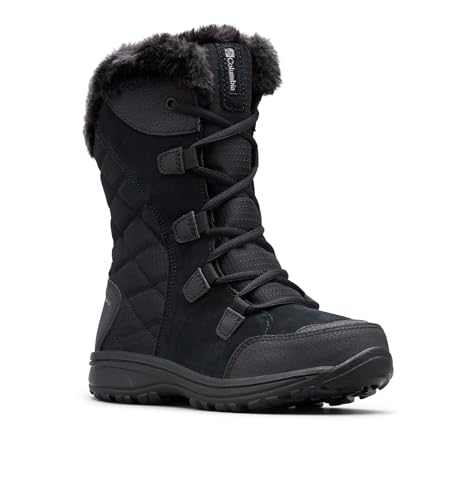
Columbia Womens Ice Maiden II, Black/Columbia Grey, 8 | Why We Like The Columbia Ice Maiden II Boot
For a wider range of women’s options across brands, our roundup of 5 Best Women Snow Boots Blacks for Cold Winter Days (2026) and UGG Women's Snow Boots: 5 Best Picks Compared (2026) can help you narrow the field.
FAQ
Are north face women’s snow boots good for walking on packed snow?
Yes. The lightweight build and cushioned footbed make them well suited to packed snow and everyday walking. For deep, untreated snow or steep terrain, a heavier, more aggressive boot is usually a better fit.
Is the Thermoball insulation warm enough for very cold weather?
It is designed for moderate winter cold. For sustained temperatures far below freezing, or for long periods standing still outdoors, consider warmer socks, a thicker insole, or a heavier-insulated boot.
Do these boots run true to size?
Sizing varies by individual foot shape. Check the brand’s size chart, measure your foot, and plan to wear the socks you will use outdoors. If you have wide feet, consider a wide-width option.
Are they fully waterproof?
The WP designation means they are built to resist water and wet snow. They are not designed for prolonged submersion, so avoid deep standing water and keep the ankle closure snug.
Do the boots provide enough traction on ice?
They offer grip on packed snow and light ice. For glazed or very icy surfaces, removable traction aids add meaningful grip and are a practical addition for regular winter walkers.
How should I care for these boots?
Let them air dry away from direct heat, remove the insole to speed drying, and wipe off salt and grime regularly. Re-treat the upper material periodically to maintain water resistance, following the product care instructions.
Are they a good choice for winter hiking?
They suit light winter walks on maintained trails. For serious winter hiking, backcountry travel or heavy loads, a boot with more structure and a stiffer sole is usually better.
Final Verdict
The north face women’s snow boots in this Thermoball Lace Up Waterproof style are a sensible, lightweight option for everyday winter walking, commuting and mixed wet conditions. Their synthetic insulation, waterproof build and comfortable footbed cover the needs of most urban and suburban winter wearers. They are less ideal for extreme cold, deep backcountry snow or buyers with wide feet who need extra room. If your use matches the first list, they are worth serious consideration; if not, compare the alternatives above before you commit. View on Amazon
Related reading
About Colin Foster
Colin Foster is part of our editorial team and reviews and edits our everyday winter gear guides, checking product details against manufacturer specifications and owner feedback.
About the author
Colin Foster writes reviews and buying guides for Snow Crystals.