6 Best Waterproof and Insulated Jacket Picks for Winter 2026
Compare six waterproof and insulated jacket options for winter commuting, snow and hiking. Specs, pros, cons and a buying guide to help you choose the right war
 By Graham Fisher
Updated November 10, 2026
 By Graham Fisher
Updated November 2026
Finding a waterproof and insulated jacket that keeps you dry in wet snow and warm in cold wind is harder than it sounds. Many jackets handle one job well and fail at the other. A shell that blocks rain may feel clammy once you start moving, while a heavily padded coat can overheat on a brisk walk. This list is built from manufacturer specifications, brand reputation and the patterns owners commonly report, with the selection criteria focused on waterproof rating, insulation type, breathability, fit for layering and practical use in winter weather.
Our top picks at a glance
- 1TOP CHOICEBest overallColumbia Men's Tipton Peak III Insulated JacketView on Amazon
- 2
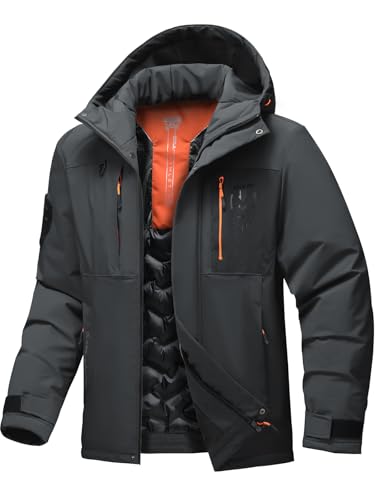 TOP CHOICEBest for layering over a hoodieJsslaik Men's Thermal Waterproof Windproof Jacket Hooded InsulatedView on Amazon
- 3
 TOP CHOICEBest for rainy, mild wintersMen's Hooded Waterproof Rain Fleece Lined Softshell JacketView on Amazon
- 4
 Best budget pick33,000ft Men's Hooded Fleece Lined Rain Shell Jacket Waterproof LightweightView on Amazon
- 5
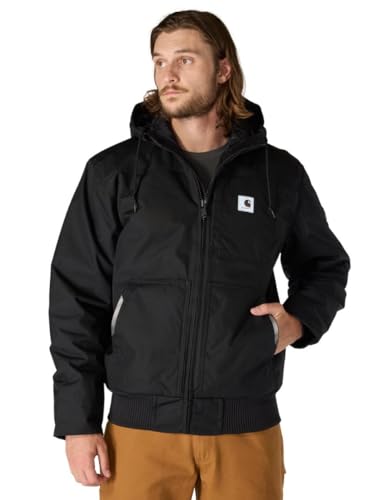 Best for work and active wearCarhartt Mens Yukon Extremes Loose Fit Active Insulated JacketView on Amazon
- 6
 Best for women on snowy daysMAGCOMSEN Ski Jacket for Women Snow Jacket Waterproof Insulated Winter Jackets with HoodView on Amazon
Our Top Picks
Quick Comparison
| Product | Best for | Key feature |
|---|---|---|
| Columbia Men’s Tipton Peak III Insulated Jacket | Cold, changing conditions | Waterproof insulated construction |
| Jsslaik Men’s Thermal Waterproof Windproof Jacket | Layering over a hoodie | Thermal lining with multiple pockets |
| Men’s Hooded Waterproof Rain Fleece Lined Softshell Jacket | Rainy, mild winters | 10K waterproof rating with fleece lining |
| 33,000ft Men’s Hooded Fleece Lined Rain Shell Jacket | Budget-minded buyers | Lightweight rain shell with fleece lining |
| Carhartt Mens Yukon Extremes Loose Fit Active Insulated Jacket | Work and active wear | Loose fit for movement |
| MAGCOMSEN Ski Jacket for Women | Women on snowy days | Waterproof insulated hooded design |
Columbia Men’s Tipton Peak III Insulated Jacket
Columbia Men's Tipton Peak III Insulated Jacket, Black, Large | Tipton Peak III Insulated Jacket delivers waterproof warmth for cold, changing conditions
Best for: Overall all-round winter wear in cold, changing conditions.
This is a good fit for people who commute on foot, walk dogs in freezing rain or move between heated buildings and outdoor cold. It is the most balanced option here for buyers who want one jacket for most winter days.
Key specs
- Men’s insulated jacket in black, size Large per the listing
- Waterproof construction marketed for cold, wet conditions
Pros
- Insulated without being bulky for everyday wear
- Waterproof outer layer suits wet snow and slush
- Established outerwear brand with a long track record
Cons
- Fit runs to the brand’s standard cut, so sizing up may suit layering
- May feel warm during high-output activity
Bottom line: A strong first choice for someone who wants a single waterproof and insulated jacket for everyday winter use.
View on AmazonJsslaik Men’s Thermal Waterproof Windproof Jacket Hooded Insulated
Jsslaik Men's Thermal Waterproof Windproof Jacket Hooded Insulated, Lightweight Winter Snow Coat with Multiple Pockets for Hiking Skiing Camping, Mineral Gray, XL
Best for: Layering over a hoodie for hiking and winter camping.
This suits people who want a lighter-weight insulated shell they can adjust with mid layers. The multiple pockets are useful for trail snacks, gloves and small tools.
Key specs
- Men’s hooded thermal jacket in Mineral Gray, size XL per the listing
- Marketed as waterproof, windproof and insulated
Pros
- Hood and multiple pockets add practical utility
- Works well as an outer layer over a fleece or hoodie
- Windproof construction helps on exposed ridgelines
Cons
- Insulation is lighter than heavy parka-style coats
- Sizing should be checked against your mid-layer thickness
Bottom line: Best for hikers and campers who want to adjust warmth by layering rather than carrying a heavy coat.
View on AmazonMen’s Hooded Waterproof Rain Fleece Lined Softshell Jacket
Men's Hooded Waterproof Rain Fleece Lined Softshell Jacket(Black,L) | 10K Waterproof, Windproof, Windbreaker, 9 Pockets, Warm Insulated Coat for Hiking Work Casual Tactical in Fall & Winter
Best for: Rainy, mild winters and fall-to-winter transition weather.
This is a good match for people in wet climates where temperatures hover near freezing and rain is more common than deep snow. The fleece lining adds warmth without the bulk of down.
Key specs
- Men’s hooded softshell in black, size Large per the listing
- Listing states a 10K waterproof rating and fleece lining
Pros
- Stated 10K waterproof rating handles steady rain well
- Fleece lining adds comfort without heavy padding
- Nine pockets for everyday carry
Cons
- Not as warm as heavily insulated coats in deep cold
- Softshell fabrics can feel stiff in the first few wears
Bottom line: A practical choice for wet, mild winters rather than sub-zero cold.
View on Amazon33,000ft Men’s Hooded Fleece Lined Rain Shell Jacket Waterproof Lightweight
33,000ft Men's Hooded Fleece Lined Rain Shell Jacket Waterproof Lightweight | Softshell Insulated Raincoat, Zip Up Windbreaker, Warm Fall Winter Coat for Cold Hiking Tactical Outdoor Ski Casual Work
Best for: Budget-minded buyers who need a waterproof layer for mixed-weather days.
This works for people who want a light rain shell with a fleece lining for cool, damp days, and who may add a thicker base layer on colder mornings.
Key specs
- Men’s hooded fleece-lined rain shell with zip-up front
- Marketed as lightweight and suitable for hiking and casual wear
Pros
- Lightweight and easy to pack
- Fleece lining adds some warmth in damp conditions
- Hood and zip-up design suit variable weather
Cons
- Insulation is modest for deep winter cold
- Durability over long seasons is less documented than established brands
Bottom line: A sensible option for buyers who want waterproof protection first and insulation second.
View on AmazonCarhartt Mens Yukon Extremes Loose Fit Active Insulated Jacket
Carhartt Mens Yukon Extremes Loose Fit Active Insulated Jacket, Black, Large US
Best for: Work outdoors and active wear in cold weather.
The loose cut is designed for movement, which suits tradespeople, outdoor workers and anyone who needs reach and mobility in cold conditions.
Key specs
- Men’s insulated jacket in black, size Large US per the listing
- Loose fit marketed for active use
Pros
- Loose cut allows layering and free arm movement
- Well-known workwear brand with a durability reputation
- Suits long hours outdoors
Cons
- Loose fit can feel too roomy for casual urban wear
- Heavier than lightweight shells
Bottom line: Best for people who spend long hours working or moving outdoors in cold weather.
View on AmazonMAGCOMSEN Ski Jacket for Women Snow Jacket Waterproof Insulated Winter Jackets with Hood
MAGCOMSEN Ski Jacket for Women Snow Jacket Waterproof Insulated Winter Jackets with Hood Ladies Snowboarding Jacket Windproof
Best for: Women who ski, snowboard or spend time in snowy weather.
This is aimed at snow sports and snow days, where a hood, waterproof outer shell and insulation matter more than everyday commuting features.
Key specs
- Women’s hooded ski and snow jacket
- Marketed as waterproof, windproof and insulated
Pros
- Designed for snow sports and wet snow
- Hood adds protection in storms
- Windproof design helps on lifts and open slopes
Cons
- Styling is sport-focused rather than everyday urban
- Size charts vary, so checking measurements is important
Bottom line: A good pick for women who need a snow-ready waterproof and insulated jacket for the slopes or deep-snow days.
View on AmazonBuying Guide
Waterproof rating and how it is measured
Waterproof ratings are usually given in millimeters (mm) of water column, which describes how much water pressure a fabric can resist before leaking. Many outdoor jackets list ratings in the range of several thousand millimeters, and the higher the number, the more rain and wet snow it resists. Seams and zippers matter as much as the fabric, so look for taped or sealed seams if you expect prolonged wet conditions.
Good picks for this: Columbia Men’s Tipton Peak III Insulated Jacket, Men’s Hooded Waterproof Rain Fleece Lined Softshell Jacket
Insulation type: synthetic versus down
Synthetic insulation keeps much of its warmth when damp, which makes it a practical choice for snow and rain. Down offers excellent warmth for its weight but loses loft when wet unless it has a water-resistant treatment. For many buyers in wet snow, synthetic insulation is the safer default.
Good picks for this: Jsslaik Men’s Thermal Waterproof Windproof Jacket, MAGCOMSEN Ski Jacket for Women
Fit and layering room
Try the jacket on over the layers you normally wear. You should be able to raise your arms fully without the hem lifting above your waist, and the shoulders should not pull. If you wear a thick mid layer, consider going up one size, but avoid sizing so large that heat escapes through gaps.
Good picks for this: Carhartt Mens Yukon Extremes Loose Fit Active Insulated Jacket, Jsslaik Men’s Thermal Waterproof Windproof Jacket
Breathability and activity level
A jacket that keeps you warm standing still can cause sweating when you hike or shovel snow. Look for pit zips, a mesh lining or a softshell construction if you run hot. Overheating and then chilling is a common cause of discomfort in winter activity.
Good picks for this: Men’s Hooded Waterproof Rain Fleece Lined Softshell Jacket, 33,000ft Men’s Hooded Fleece Lined Rain Shell Jacket
Hood, pockets and storm features
A well-fitting hood that moves with your head and stays in place in wind is important. Pockets placed where you can reach them while wearing a backpack or harness add daily usefulness. Adjustable cuffs and a hem drawstring help seal out drafts and snow.
Good picks for this: MAGCOMSEN Ski Jacket for Women, Jsslaik Men’s Thermal Waterproof Windproof Jacket
Durability and care
Outer fabrics can wear at the shoulders and cuffs from backpacks and repeated friction. Follow the care label, and use a wash designed for technical fabrics. Treatments that keep water beading can wear off over time and may be refreshed with a DWR product. Consult the manufacturer’s care instructions before washing or applying any treatment.
Good picks for this: Carhartt Mens Yukon Extremes Loose Fit Active Insulated Jacket, Columbia Men’s Tipton Peak III Insulated Jacket
Use case: commute, snow or hiking
A daily commute calls for a jacket that looks neutral and handles wet sidewalks. Snow days and ski slopes call for a hooded, windproof and insulated design with room for a base layer. Winter hiking benefits from a lighter shell you can layer and remove quickly.
Good picks for this: Columbia Men’s Tipton Peak III Insulated Jacket, MAGCOMSEN Ski Jacket for Women, Jsslaik Men’s Thermal Waterproof Windproof Jacket
FAQ
What is the difference between a waterproof and insulated jacket and a shell?
A shell is an outer layer with waterproof or water-resistant fabric and little or no insulation. A waterproof and insulated jacket combines the protective outer layer with built-in warmth. For a deeper comparison, see Insulated Jacket vs Shell: Which Should You Choose? (2026).
Is a waterproof and insulated jacket good for snow?
Yes, provided the waterproof rating and seam construction suit wet snow and the insulation matches your temperature range. Jackets with hoods and cuff seals tend to handle snow better than lightweight rain shells.
Can I make a waterproof jacket warmer?
Adding a mid layer such as a fleece or a light synthetic sweater is the simplest approach. Keeping your core warm also helps your hands and feet feel warmer. Some owners also refresh the water-repellent finish so water beads off rather than soaking in.
How should I wash a waterproof and insulated jacket?
Check the care label first. Most technical jackets are washed on a gentle cycle with a detergent made for outdoor gear, then dried on low heat or air-dried. Avoid fabric softener, which can coat the fabric and reduce water repellency. A guide on washing a puffy jacket is available at Wash Down Jacket Patagonia: A Step-by-Step Guide to Cleaning Your Puffy.
Do waterproof insulated jackets work for women with a smaller frame?
Many brands offer women’s cuts with narrower shoulders, shorter sleeves and adjusted hips. Check the size chart and measure your chest, waist and sleeve length. A guide to women’s options is available at Waterproof Down Jacket for Women: How to Choose One That Keeps You Dry and Warm.
How long does the waterproofing last?
The waterproof membrane or coating usually lasts for many seasons, but the water-repellent outer finish can wear off sooner with heavy use. Reapplying a DWR treatment according to the product instructions can restore beading.
Is a heavier jacket always warmer?
Not necessarily. Warmth depends on insulation type, loft, fit and how well the jacket blocks wind and moisture. A lighter jacket with good wind protection can feel warmer than a heavy coat that lets air through the fabric.
Conclusion
For most people, the Columbia Men’s Tipton Peak III Insulated Jacket is the most balanced starting point for a waterproof and insulated jacket that handles changing winter conditions. Layer-focused hikers may prefer the Jsslaik Men’s Thermal Waterproof Windproof Jacket, while those in wet, mild climates may find the softshell option more comfortable. Budget buyers can consider the 33,000ft rain shell, and people who work outdoors may prefer the Carhartt Mens Yukon Extremes. Women who ski or spend time on snowy days should look at the MAGCOMSEN Ski Jacket for Women. Match the jacket to your climate, activity level and layering habits, and check the size chart before buying.
Sources
- Guidance on staying warm and avoiding cold-related illness in winter weather (cdc.gov)
- Winter hiking and cold-weather preparedness for outdoor trips (nps.gov)
- Consumer safety information on clothing and cold-weather hazards (cpsc.gov)
Related reading
About Graham Fisher
Graham Fisher is part of our editorial team and reviews and edits our everyday winter gear guides, checking product details against manufacturer specifications and owner feedback.
About the author
Graham Fisher writes reviews and buying guides for Snow Crystals.