6 Best Men’s Insulated North Face Jacket Picks for Winter 2026
Looking for a men's insulated North Face jacket for winter? Compare six picks by warmth, weather protection, fit and layering to find your match.
 By Graham Fisher
Updated November 22, 2026
 By Graham Fisher
Updated November 2026
Shopping for a men’s insulated North Face jacket usually comes down to three questions: how cold it gets, how much rain or wind you face, and whether you need a jacket for the trail or the sidewalk. The picks below were selected by reviewing product listings, insulation specs, water and wind ratings and recurring owner feedback. Each one is weighed against those criteria, not against a hands-on test.
Our top picks at a glance
- 1TOP CHOICEBest overallTHE NORTH FACE Men's Junction Insulated JacketView on Amazon
- 2
 TOP CHOICEBest for deep coldTHE NORTH FACE Men's Aconcagua Hooded JacketView on Amazon
- 3
 TOP CHOICEBest for wet weatherTHE NORTH FACE Men's Quest Insulated JacketView on Amazon
- 4
 Best for active hikingTHE NORTH FACE Men's Apex Elevation Insulated JacketView on Amazon
- 5
 Best for rain and commutingTHE NORTH FACE Men's Antora Jacket (S&B)View on Amazon
- 6
 Best budget-minded pickThe North Face ThermoBall Insulated JacketView on Amazon
Our Top Picks
Quick Comparison
| Product | Best for | Key feature |
|---|---|---|
| Men’s Junction Insulated Jacket | Everyday layering | 100g synthetic insulation |
| Men’s Aconcagua Hooded Jacket | Deep cold | 200g synthetic insulation |
| Men’s Quest Insulated Jacket | Wet weather | Waterproof 2L shell |
| Men’s Apex Elevation Insulated Jacket | Active hiking | Flexible insulated softshell |
| Men’s Antora Jacket (S&B) | Rain and commuting | Waterproof and windproof |
| ThermoBall Insulated Jacket | Budget-minded warmth | Wind and water resistant |
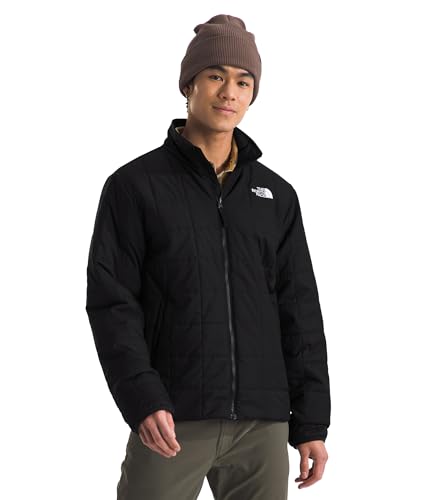
THE NORTH FACE Men’s Junction Insulated Jacket
THE NORTH FACE Men's Junction Insulated Jacket, TNF Black, L | 100g Synthetic Insulation, Easy Layering, Balanced Warmth to Weight Ratio, Recycled Polyester, Water Repellent, Zip Pockets
Best for: Everyday layering and balanced warmth.
Suited to men who want one versatile insulated layer for daily wear, with enough warmth for cold commutes and room to layer underneath.
Pros:
- Balanced warmth-to-weight ratio for everyday wear
- Recycled polyester construction with zip pockets
Cons:
- Less suited to extended exposure in very low temperatures
THE NORTH FACE Men’s Aconcagua Hooded Jacket
THE NORTH FACE Men's Aconcagua Hooded Jacket, TNF Black, M | Updated with Synthetic Insulation (200g), Wind & Water Resistant, Insulated Hood, Adjustable Hem, Warm Winter Puffer Coat
Best for: Deep cold and winter days outdoors.
Intended for men who spend extended time outside in freezing conditions and want a warm, hooded puffer with wind and water resistance.
Pros:
- 200g synthetic insulation for heavier cold
- Insulated hood and adjustable hem to seal out drafts
Cons:
- Bulkier profile may feel heavy for active use
THE NORTH FACE Men’s Quest Insulated Jacket
THE NORTH FACE Men's Quest Insulated Jacket, TNF Black, M | Waterproof 2L Shell, Lightweight 100g Synthetic Insulation, 100% Recycled Fabric, Adjustable Hood & Hem, Secure Zip Pockets
Best for: Wet weather and snowy days.
A good fit for men dealing with slush, sleet and rain who still want lightweight insulation underneath a protective shell.
Pros:
- Waterproof 2L shell rated for wet conditions
- Adjustable hood and hem with secure zip pockets
Cons:
- Shell can feel less breathable during high-output activity
THE NORTH FACE Men’s Apex Elevation Insulated Jacket
THE NORTH FACE Men's Apex Elevation Insulated Jacket, Summit Navy-NPF, XL | Flexible Insulated Winter Softshell, Wind & Water Resistant Hiking Coat with Adjustable Hood, Zippered Hand & Chest Pockets
Best for: Active hiking and mobility.
Designed for men who move hard on winter trails and need stretch and breathability alongside insulation and wind protection.
Pros:
- Flexible softshell construction for free movement
- Wind and water resistant with adjustable hood
Cons:
- Lighter insulation may not suit prolonged stillness in severe cold
THE NORTH FACE Men’s Antora Jacket (S&B)
THE NORTH FACE Men's Antora Jacket (S&B), TNF Black-NPF, M | Waterproof & Windproof, Adjustable Hood & Hem, Alpine-Style Zip Hand Pockets, Breathable 100% Recycled Fabric Raincoat
Best for: Rain, wind and commuting.
Fits men who need a waterproof, windproof outer layer for daily commutes in unsettled winter weather.
Pros:
- Waterproof and windproof construction
- Alpine-style zip hand pockets and adjustable hood
Cons:
- Insulation is lighter than dedicated winter puffers
The North Face ThermoBall Insulated Jacket
The North Face ThermoBall Insulated Jacket, Smokey Brwn, L | Wind & Water Resistant, Secure Zip Pockets
Best for: Budget-minded warmth.
A practical option for men who want a classic insulated jacket for cold days without paying for premium features they may not need.
Pros:
- Wind and water resistant construction
- Secure zip pockets for everyday carry
Cons:
- Fewer technical features than premium alpine models
Buying Guide
Insulation Type and Weight
Synthetic insulation keeps warmth when damp, which matters in wet winter climates. Check the insulation weight in grams: lighter fills suit mild days and layering, while heavier fills suit sustained cold.
Water and Wind Resistance
Water-resistant shells handle light snow, while waterproof shells with taped seams handle rain and slush. Look for a wind-resistant face fabric if you ride or walk in exposed areas.
FAQ
Which North Face insulated jacket is warmest for men?
The Aconcagua Hooded Jacket is the warmest option in this list, with 200g of synthetic insulation and an insulated hood. It suits cold, dry winter conditions better than wet or mild weather.
Do I need a waterproof jacket for winter?
It depends on where you live and how you spend your time. If you often face snow, sleet, or steady rain, a waterproof shell like the Quest or Antora is the safer choice. For dry cold, a water-resistant jacket will usually do the job.
What is the difference between a puffer and a softshell?
A puffer is built around insulation and is designed for warmth during low activity. A softshell, like the Apex Elevation, is more flexible and breathable, which makes it better for active use such as hiking.
Is synthetic insulation better than down for a winter jacket?
Synthetic insulation keeps much of its warmth when it gets damp and is generally easier to care for. Down offers a strong warmth-to-weight ratio but loses performance when wet, so synthetic is often the practical pick for variable winter weather.
How should a men’s insulated jacket fit for winter?
Choose a size that allows you to wear a sweater or fleece underneath without restricting your arm movement. Check the sleeve length and shoulder fit, since a jacket that is too tight will compress the insulation and reduce warmth.
Can I layer these jackets under a heavier coat?
The Junction is especially designed for easy layering, so it works well as a mid-layer under a shell. Lighter options can usually be worn under a heavier outer layer, but check that the fit still allows comfortable movement.
Conclusion
For most men looking for a versatile winter jacket, the Junction is a balanced starting point, while the Aconcagua suits colder, drier climates and the Quest or Antora fit wet conditions. Choose the Apex Elevation if your winter plans involve active hiking, and consider the ThermoBall if you want a classic insulated look for everyday wear.
Think about your typical weather and activity level first, then match the jacket to those needs. Getting the insulation, water resistance, and fit right will matter more than any single feature on the list.
Related reading
- Women's North Face Insulated Jacket: How to Choose the Right Warmth (2026)
- Carhartt Men's Montana Loose Fit Insulated Jacket: Fit, Warmth and Winter Use
- Carhartt Men's Montana Insulated Jacket: Fit, Warmth and Winter Use Guide
- Ariat Men's Crius Hooded Insulated Jacket: Is It Warm Enough for Winter?
- 7 Best Men's Insulated Winter Jackets for Cold Weather (2026)
About Graham Fisher
Graham Fisher is part of our editorial team and reviews and edits our everyday winter gear guides, checking product details against manufacturer specifications and owner feedback.
About the author
Graham Fisher writes reviews and buying guides for Snow Crystals.