7 Best Insulated Jackets for Winter Picks Compared (2026)
Find the best insulated jacket for winter with our 7 picks compared by warmth, fit, waterproofing and use. Quick guide to choosing the right layer.
 By Graham Fisher
Updated November 22, 2026
 By Graham Fisher
Updated November 2026
An insulated jacket for winter has to do three things well: hold heat, block wind and handle the wet snow or sleet you hit on the way to the car. This list compares seven widely available options on warmth, weather protection, fit and intended use. The selection is based on product listings, brand reputation and common owner feedback, not on our own testing.
Our top picks at a glance
- 1TOP CHOICEBest overallColumbia Men's Tipton Peak III Insulated JacketView on Amazon
- 2
 TOP CHOICEBest for heavy-duty workYufawow Men Winter Jacket Work Coat Waterproof Windbreaker Insulated Heavy SoftshellView on Amazon
- 3
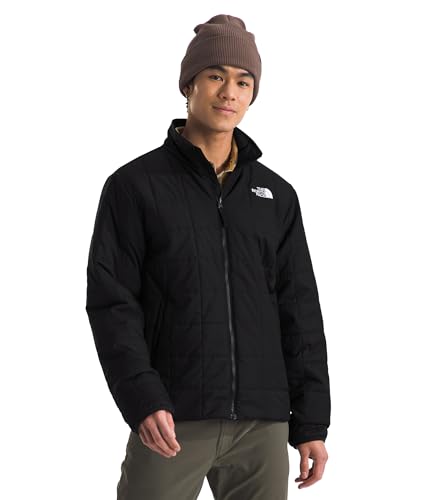 TOP CHOICEBest for lightweight layeringTHE NORTH FACE Men's Junction Insulated JacketView on Amazon
- 4
 Best for a rugged canvas lookMen Winter Jacket Detroit Coat Warm Fleeced Lined Thick Windbreaker InView on Amazon
- 5
 Best for snow sportsTACVASEN Winter Jacket for Men Warm Hiking Snow Parka Fleece Ski CoatView on Amazon
- 6
 Best for extra puffy warmthMen Winter Hood Jacket Warm Puffer Coat Face no Heavy Fleece Flannel Lined Light PuffyView on Amazon
- 7
 Best for shift work in cold sitesMen Winter Jacket Work Coat Waterproof Windbreaker Insulated Heavy SofView on Amazon
Our Top Picks
Quick Comparison
| Product | Best for | Key feature |
|---|---|---|
| Columbia Men’s Tipton Peak III Insulated Jacket | Overall use | Waterproof insulated shell |
| Yufawow Men Winter Jacket Work Coat | Heavy-duty work | Windproof softshell build |
| THE NORTH FACE Men’s Junction Insulated Jacket | Lightweight layering | Synthetic insulation, recycled shell |
| Men Winter Jacket Detroit Coat | Rugged canvas look | Fleece-lined canvas shell |
| TACVASEN Winter Jacket for Men | Snow sports | Hood and multiple pockets |
| Men Winter Hood Jacket Warm Puffer Coat | Extra puffy warmth | Quilted high-loft fill |
| Men Winter Jacket Work Coat Waterproof Windbreaker | Cold job sites | Waterproof windbreaker shell |
Columbia Men’s Tipton Peak III Insulated Jacket
Columbia Men's Tipton Peak III Insulated Jacket, Black, Large | Tipton Peak III Insulated Jacket delivers waterproof warmth for cold, changing conditions
Best for: Overall use
A solid all-round choice for commuting and day outings when conditions shift between cold, wet and windy.
Pros
- Waterproof shell suits slush and wet snow
- Balanced warmth for changing temperatures
Cons
- Less warmth than heavier parkas in deep cold
Yufawow Men Winter Jacket Work Coat Waterproof Windbreaker Insulated Heavy Softshell
Yufawow Men Winter Jacket Work Coat Waterproof Windbreaker Insulated Heavy Softshell Heat Warm Thermal Clothes Ski Snow Snowboard Snowmobile Casual Outdoor Cold Weather Safety Security Construction
Best for: Heavy-duty work
Suited to outdoor laborers and anyone spending long hours in open, windy conditions.
Pros
- Windproof softshell blocks gusts well
- Built for durable daily wear
Cons
- Bulkier fit can limit layering under it
THE NORTH FACE Men’s Junction Insulated Jacket
THE NORTH FACE Men's Junction Insulated Jacket, TNF Black, L | 100g Synthetic Insulation, Easy Layering, Balanced Warmth to Weight Ratio, Recycled Polyester, Water Repellent, Zip Pockets
Best for: Lightweight layering
Works well for people who run warm and want insulation without a heavy coat, especially under a shell.
Pros
- 100g synthetic insulation keeps weight low
- Water-repellent finish and zip pockets
Cons
- Not enough on its own for sub-zero days
Men Winter Jacket Detroit Coat Warm Fleeced Lined Thick Windbreaker Insulated Thermal Canvas
Men Winter Jacket Detroit Coat Warm Fleeced Lined Thick Windbreaker Insulated Thermal Canvas Denim Hood Bomber Western Outdoor Work Casual Trucker Utility Construction Outwear Extreme Cold Weather
Best for: Rugged canvas look
A good fit for people who want a workwear style for trucks, errands and cold-weather chores.
Pros
- Fleece lining adds warmth at the chest and arms
- Hood and classic canvas styling
Cons
- Canvas is less breathable during active use
TACVASEN Winter Jacket for Men Warm Hiking Snow Parka Fleece Ski Coat
TACVASEN Winter Jacket for Men Warm Hiking Snow Parka Fleece Ski Coat Navy | heavy;insulated;sherpa;waterproof;windbreaker;puffy;tactical;hood;6 pockets;quilted;cold winter;outdoor;work;casual;longcoa
Best for: Snow sports
Aimed at skiers, snowshoers and hikers who want a hood, pockets and insulation in one piece.
Pros
- Hood and six pockets for gear storage
- Sherpa and fleece lining for warmth
Cons
- Long cut may feel heavy for short trips
Men Winter Hood Jacket Warm Puffer Coat Face no Heavy Fleece Flannel Lined Light Puffy
Men Winter Hood Jacket Warm Puffer Coat Face no Heavy Fleece Flannel Lined Light Puffy Sherpa Down Lightweight Thick Casual Outdoor Sales Clearance Thermal Clothes North Insulated Bubble Quilted Parka
Best for: Extra puffy warmth
Best for people who feel the cold easily and want a quilted, high-loft layer for standing around outdoors.
Pros
- Quilted puffer construction traps heat
- Hood adds protection in snow
Cons
- Puffy shells can compress and wear faster in heavy use
Buying Guide
Insulation Type and Warmth
Synthetic insulation keeps much of its warmth when damp and is generally easier to care for, which makes it a practical choice for snowy or wet conditions. Down offers a strong warmth-to-weight ratio but loses insulating power when wet, so it suits drier cold better. Check the insulation description and match it to how you expect to use the jacket.
Weather Resistance: Waterproof, Water Repellent or Windbreaker
A waterproof jacket with sealed seams handles sleet and wet snow, while a water-repellent or windbreaker shell is usually enough for dry cold and wind. Many jackets in this list are described as windbreakers or water-repellent rather than fully waterproof. Choose based on whether you will be standing in wet snow for long periods or mostly moving through cold, dry air.
Fit, Layering Room and Length
Think about the layers you will wear underneath. A slightly roomier fit lets you add a fleece or sweater without restricting movement, while a trimmer cut feels better under a shell or for active use. Longer cuts cover more of the hips and thighs, which helps in very cold conditions, and shorter cuts are easier to move in while driving or working.
Pockets, Hood and Practical Features
Zip pockets keep small items secure, and a hood adds protection from wind and snow around the head and neck. Look for cuffs and a hem that can be adjusted or fit snugly to keep cold air out. These details matter more on long days outdoors than in a short walk from the car.
Intended Use and Activity Level
A jacket built for workwear may prioritize durability and pocket space, while one designed for skiing or hiking may focus on breathability and mobility. Casual styles suit everyday commuting and short outings. Matching the jacket to your main activity will do more for comfort than chasing the highest warmth rating.
FAQ
What is the warmest type of insulated jacket for winter?
Warmth depends on insulation amount, fit and how well the jacket blocks wind. Down offers excellent warmth for its weight in dry conditions, while heavier synthetic jackets can perform very well in wet or windy cold. Layering a warm mid-layer underneath often adds more real-world warmth than any single jacket.
Is a water-repellent jacket enough for snow?
For light, dry snow, a water-repellent jacket is often sufficient. In wet snow or sleet, a fully waterproof shell with sealed seams will keep you drier. Consider how long you will be outside and what kind of precipitation is typical in your area.
How should an insulated winter jacket fit?
It should allow you to move your arms freely and fit comfortably over a sweater or fleece without feeling tight. The shoulders should sit where they naturally fall, and the sleeves should cover your wrists when you reach forward. Try it on with the layers you plan to wear most often.
Can I wash an insulated jacket at home?
Many synthetic insulated jackets can be washed at home, but you should always check the care label first. Use a gentle cycle with a mild detergent, avoid fabric softener, and air dry or tumble on low heat. Proper washing helps the insulation loft and water resistance last longer.
Do I need a hood on a winter jacket?
A hood is helpful in wind, snow and cold rain because it protects the head and neck, areas where heat escapes quickly. If you often wear a hat, a hood may be less important, but many people find it useful for quick protection without stopping to put on gear. Look for one that can be adjusted or stowed when not needed.
How long does a winter jacket usually last?
With regular use and proper care, a good insulated jacket can last several winters. Durability depends on the shell fabric, the quality of the zippers and seams, and how it is stored and washed. Heavy-duty work jackets may last longer under rough conditions than lightweight casual styles.
Conclusion
For most people looking for an all-around winter jacket, the Columbia Tipton Peak III is a solid starting point thanks to its waterproof warmth for changing conditions. If you work outdoors or need a rugged option, the Yufawow work coat fits that role, and the THE NORTH FACE Junction suits anyone who wants lighter layering without giving up much warmth.
Shoppers who prefer a classic workwear look or a cozy lined style will find the Detroit-style coat and the fleece-lined options appealing, while the TACVASEN parka and the hooded puffer suit those who want extra coverage for cold, snowy days. Match the jacket to your main activity, climate and how much layering room you need, and it will serve you well all season.
Related reading
- What Does Insulated Jacket Mean? Plain-English Guide for Winter Buyers
- Vuori Canyon Insulated Jacket Review: 5 Best Winter Picks Compared (2026)
- Spokane Insulated Cruiser Jacket: Is It Warm Enough for Winter?
About Graham Fisher
Graham Fisher is part of our editorial team and reviews and edits our everyday winter gear guides, checking product details against manufacturer specifications and owner feedback.
About the author
Graham Fisher writes reviews and buying guides for Snow Crystals.