7 Best Snow Boots for Extreme Cold: Picks for Cold, Wet Winter Days
Find the best snow boots for extreme cold with our picks by use case, plus a buying guide covering insulation, waterproofing, traction and temperature ratings.
 By Colin Foster
Updated November 21, 2026
 By Colin Foster
Updated November 2026
Looking for the best snow boots for extreme cold? The right pair keeps your feet warm and dry when temperatures drop well below zero, whether you are shoveling the driveway, walking the dog before dawn or heading out on a winter hike. This list weighs insulation rating, waterproofing, outsole traction and fit, using manufacturer specifications and patterns in owner feedback.
Our top picks at a glance
- 1TOP CHOICEBest overallMuck Arctic Pro Tall Rubber Insulated Extreme Conditions Men's Hunting BootsView on Amazon
- 2
 TOP CHOICEBest for polar coldBaffin Men's IMPACT Waterproof Extreme Cold Weather Ice & Snow BootsView on Amazon
- 3
 TOP CHOICEBest for deep snowKamik Men's Nation Plus Waterproof Snow BootView on Amazon
- 4
 Best for everyday tractionColumbia Men's Bugaboot III Waterproof Snow BootView on Amazon
- 5
 Best for women's warmthHOBIBEAR Women's Waterproof Winter Snow BootsView on Amazon
- 6
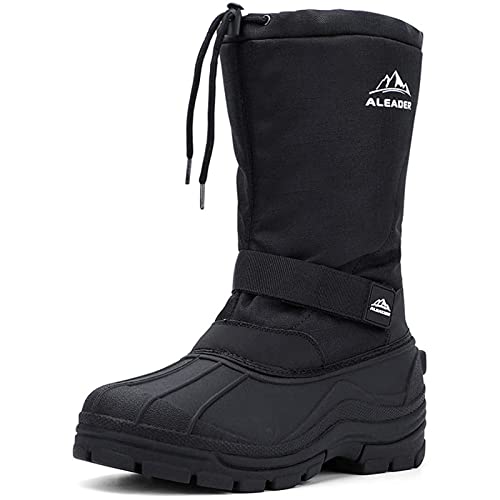 Best budget pickALEADER Winter Boots for Men, Waterproof Snow Boots Hiking ShoesView on Amazon
- 7
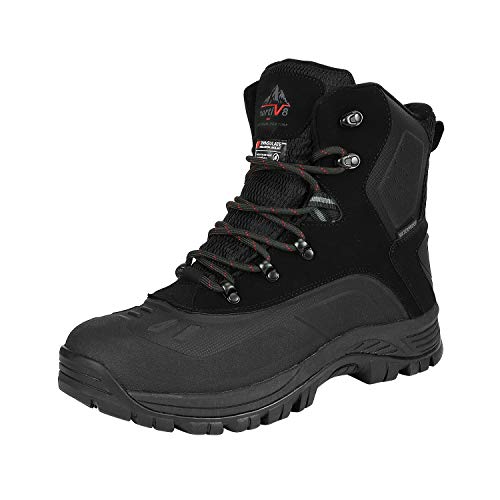 Best for hiking in snowNORTIV 8 Men's Waterproof Hiking Winter Snow Boots,Black/1,13 | InsulaView on Amazon
Our Top Picks
Quick Comparison
| Product | Best for | Key feature |
|---|---|---|
| Muck Arctic Pro Tall | Overall extreme cold | Rubber shell, tall shaft |
| Baffin IMPACT | Polar cold | Polar-rated insulation |
| Kamik Nation Plus | Deep snow | Removable liner, snow tread |
| Columbia Bugaboot III | Everyday traction | Fully waterproof, high traction |
| HOBIBEAR Women’s | Women’s warmth | Faux fur lining |
| ALEADER Men’s | Budget pick | Waterproof, lightweight build |
| NORTIV 8 TUNDRA | Winter hiking | Insulated hiking construction |
Muck Arctic Pro Tall Rubber Insulated Extreme Conditions Men’s Hunting Boots
Muck Arctic Pro Tall Rubber Insulated Extreme Conditions Men's Hunting Boots
Best for: Overall extreme cold
Built for long hours outdoors in severe conditions, this full-rubber boot suits anyone standing still in bitter cold, such as ice fishing or hunting.
Pros
- Full rubber construction keeps moisture out completely
- Tall shaft helps block snow from entering
Cons
- Heavier than typical snow boots for walking
Baffin Men’s IMPACT Waterproof Extreme Cold Weather Ice & Snow Boots
Baffin Men's IMPACT Waterproof Extreme Cold Weather Ice & Snow Boots | Leather & Nylon Upper, Polar Rated, Rubber Outsole, Snowshoe Compatible Footwear, Black, 10
Best for: Polar cold
Designed for polar-level temperatures, this boot suits workers and outdoor enthusiasts who face prolonged exposure to deep cold.
Pros
- Polar rating targets very low temperatures
- Snowshoe compatible footwear for winter trails
Cons
- Stiff break-in period reported by some owners
Kamik Men’s Nation Plus Waterproof Snow Boot
Kamik Men's Nation Plus Waterproof Snow Boot, Dark Brown – 12 | Seam-Sealed Waterproof Suede Upper, HEAT-MX 145 Removable Liner, SNOWTREAD Outsole, -40F Rated, Gusset Tongue
Best for: Deep snow
This boot fits people who clear heavy snow or spend long days in drifts, thanks to its seam-sealed upper and rated liner.
Pros
- Removable liner makes drying easier
- Rated to -40°F according to the manufacturer
Cons
- Runs warm, which may not suit milder days
Columbia Men’s Bugaboot III Waterproof Snow Boot
Columbia Men's Bugaboot III Waterproof Snow Boot | Snow Boot, Fully Waterproof, High Traction, Wide Fit Available
Best for: Everyday traction
A practical option for commuters and anyone walking on icy sidewalks, with a wide fit available for those who need extra room.
Pros
- High-traction outsole for slick surfaces
- Wide fit option available
Cons
- Less insulated than the polar-rated models
HOBIBEAR Women’s Waterproof Winter Snow Boots
HOBIBEAR Women's Waterproof Winter Snow Boots Lightweight Warm Faux Fur Lined Mid-Calf Booties(Grey/New,8
Best for: Women’s warmth
A lightweight mid-calf boot for women who want faux fur lining and easy movement through cold, slushy days.
Pros
- Faux fur lining adds warmth without bulk
- Lightweight for all-day wear
Cons
- Less suited to sustained subzero exposure
ALEADER Winter Boots for Men, Waterproof Snow Boots Hiking Shoes
ALEADER Winter Boots for Men, Waterproof Snow Boots Hiking Shoes Black 12 D(M) US
Best for: Budget pick
A value-minded choice for men who need waterproof snow boots for shoveling, errands and light hiking without a premium price tag.
Pros
- Waterproof construction for wet snow
- Lightweight hiking-style build
Cons
- Insulation may not match extreme-cold models
Buying Guide
Insulation Rating
For extreme cold, look for boots with a clearly stated temperature rating or a high level of insulation. Polar-rated and heavily insulated models are built for sustained subzero conditions, while lighter insulation suits milder winter days. Match the rating to the coldest weather you expect to face, not the average.
Waterproofing and Seam Construction
Cold, wet weather is hard on feet, so a fully waterproof upper matters as much as warmth. Seam-sealed construction and rubber or rubber-coated lower sections help keep slush, melting snow and puddles out. Boots that are waterproof only at the surface may still let moisture in around the stitching.
Outsole Traction
Icy sidewalks and packed snow demand a deep, multi-directional lug pattern. A rubber outsole with aggressive tread gives better grip on ice than a smooth or shallow sole. If you plan to walk on trails or shovel regularly, prioritize traction over style.
Fit, Width and Sock Room
Boots that are too tight cut circulation and make feet colder, even in well-insulated models. Leave enough room for a thick wool sock and check whether the brand offers wide sizes if you need them. Removable liners can also make it easier to dry boots and adjust fit over the season.
FAQ
What temperature rating do I need for extreme cold?
If you regularly face temperatures well below zero, choose boots with a polar or extreme-cold rating and substantial insulation. For occasional cold snaps, a moderate rating will usually be enough. Always check the manufacturer’s stated range before buying.
Are rubber boots better than leather for snow?
Rubber boots generally handle wet snow and slush better because the material resists water and is easy to clean. Leather and suede uppers can look sharper but usually need sealing or extra care to stay dry. Many winter boots combine both materials to balance warmth, durability and water resistance.
Should I size up when buying winter boots?
Many people benefit from sizing up slightly so there is room for thick socks or an additional insole. Try boots on later in the day when feet are a little swollen, if possible. A snug but not tight fit usually keeps feet warmest.
How do I keep my winter boots in good shape?
Let boots dry fully at room temperature after each wet day, and avoid placing them right next to a heat source, which can damage materials. Remove liners if they are removable so they dry faster. Clean off salt and grime periodically to extend the life of the uppers and outsole.
Can I wear these boots for winter hiking?
Several models in this list are suitable for snowy trails, especially those with strong traction and snowshoe compatibility. Hiking in deep snow or on steep, icy terrain may call for boots designed specifically for that purpose. Consider your typical activity level and terrain before choosing.
Conclusion
If you face the harshest cold and deepest snow, the more heavily insulated and polar-rated options are the best fit, while those who mainly deal with wet winter days and shoveling will find the mid-range waterproof models more than capable. Choose based on your coldest conditions, the terrain you walk on and how well the boot fits your feet. Taking those three factors into account will point you to the right pair for your winter.
Related reading
- Women's Timberland Snow Boots: 6 Best Picks for Cold, Wet Winter Days
- Women's Sorel Caribou Snow Boots: 4 Best Picks for Cold Winter Days (2026)
- Women's Boots for Snow: 7 Best Picks for Cold, Wet Winter Days
- Winter Snow Boots Sorel: 5 Best Picks for Cold, Wet Days (2026)
About Colin Foster
Colin Foster is part of our editorial team and reviews and edits our everyday winter gear guides, checking product details against manufacturer specifications and owner feedback.
About the author
Colin Foster writes reviews and buying guides for Snow Crystals.