7 Best Hiking Snow Boots Men Can Buys for Cold, Wet Trails (2026)
Looking for hiking snow boots men can rely on in cold, wet terrain? Compare seven picks by warmth, waterproofing, traction and fit.
 By Colin Foster
Updated November 22, 2026
 By Colin Foster
Updated November 2026
Hiking snow boots men wear on winter trails need to do three jobs at once: keep feet dry, hold insulation in freezing temperatures, and grip slick snow and ice without rubbing blisters. The seven picks below were chosen by reviewing product listings, brand reputation and common owner feedback about warmth, waterproofing, traction and fit. None of these were tested by us, so check the specifications against your own needs.
Best overall: Columbia Men’s Newton Ridge II Waterproof Hiking Boot – View on Amazon
Best for insulated winter hiking: OUTJET Men’s Insulated Winter Snow Boots Waterproof – View on Amazon
Best for deep cold: NORTIV 8 Men’s Waterproof Hiking Winter Snow Boots – View on Amazon
Best budget pick: ALEADER Winter Boots for Men, Waterproof Snow Boots – View on Amazon
Best mid-rise hiker: XPETI Men’s Thermator Mid-Rise Waterproof Hiking Boot – View on Amazon
Best for casual trail walks: Columbia Men’s Transverse Waterproof Hiking Boot – View on Amazon
Best for warm lining: OUTJET Men’s Waterproof Winter Snow Boots Insulated Lightweight – View on Amazon
Our Top Picks
Quick Comparison
| Product | Best for | Key feature |
|---|---|---|
| NORTIV 8 Men’s Waterproof Hiking Winter Snow Boots | Deep cold | Insulated construction |
| ALEADER Winter Boots for Men | Budget pick | Waterproof snow boot |
| Columbia Men’s Newton Ridge II | Overall trail use | High traction, wide fit |
| OUTJET Men’s Insulated Winter Snow Boots | Insulated winter hiking | 200g 3M Thinsulate |
| XPETI Men’s Thermator Mid-Rise | Mid-rise support | Non-slip insulated hiker |
| OUTJET Men’s Waterproof Winter Snow Boots | Warm lining | Faux fur lined |
| Columbia Men’s Transverse Waterproof | Casual trail walks | All-terrain traction |
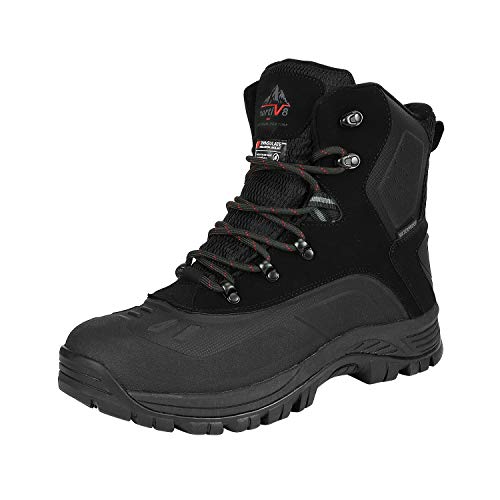
NORTIV 8 Men’s Waterproof Hiking Winter Snow Boots
NORTIV 8 Men's Waterproof Hiking Winter Snow Boots,Black/1,11 | Insulated Construction Hunting Ski Work Boots TUNDRA
Best for: Deep cold and long days outdoors
A good fit for hikers who spend hours in sub-freezing air and want insulation built into the boot itself, not just a liner.
Pros
- Insulated construction suited to cold conditions
- Waterproof upper for wet snow
Cons
- Heavier than lightweight hiking boots
ALEADER Winter Boots for Men, Waterproof Snow Boots Hiking Shoes
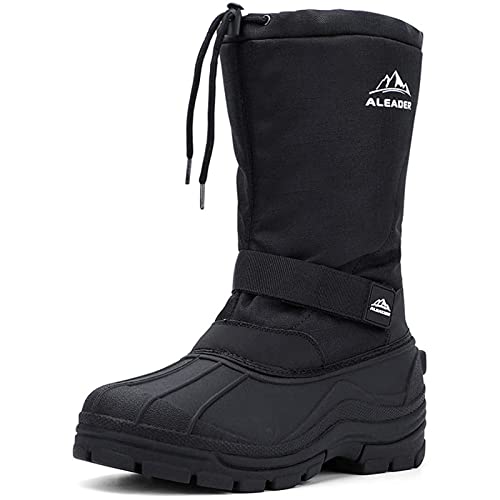
ALEADER Winter Boots for Men, Waterproof Snow Boots Hiking Shoes Black 12 D(M) US
Best for: Budget-conscious winter walkers
Suits people who need waterproof protection for snowy trails and short winter hikes without paying for premium features.
Pros
- Waterproof snow boot construction
- Straightforward hiking shoe design
Cons
- Fewer specialty features than premium options
Columbia Men’s Newton Ridge II Waterproof Hiking Boot

Columbia Men's Newton Ridge II Waterproof Hiking Boot | High Traction, All Day Comfort, Fully Waterproof, Wide Fit Available
Best for: All-around trail use across seasons
A solid choice for hikers who want one boot for mixed conditions, with a wide fit option for those who need extra room.
Pros
- High traction outsole for slick trails
- Wide fit available
Cons
- Less insulation than dedicated winter boots
OUTJET Men’s Insulated Winter Snow Boots Waterproof
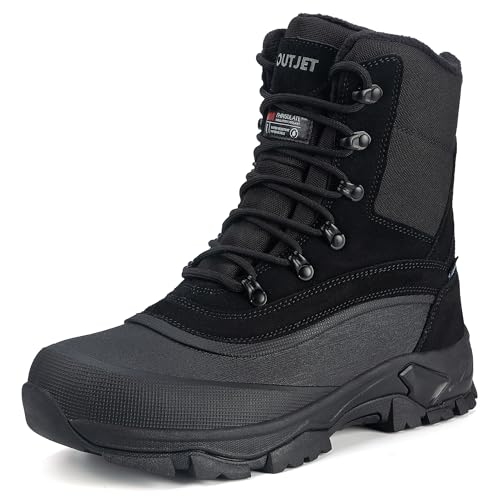
OUTJET Men's Insulated Winter Snow Boots Waterproof | 200g 3M Thinsulate Insulated Construction -25°F Cold Protection Warm Slip Resistant for Outdoor Work Winter Hiking
Best for: Insulated winter hiking
Fits hikers who want substantial warmth for icy, low-temperature walks and rate slip resistance highly on their list.
Pros
- 200g 3M Thinsulate insulation
- Slip resistant outsole
Cons
- Bulkier fit may require thicker socks
XPETI Men’s Thermator Mid-Rise Waterproof Hiking Boot

XPETI Men’s Thermator Mid-Rise Waterproof Hiking Boot Insulated Non-Slip Black 10.5
Best for: Mid-rise ankle support on winter trails
A practical option for hikers who want ankle coverage and an insulated, non-slip sole without going to a full-height winter boot.
Pros
- Mid-rise ankle support
- Non-slip insulated design
Cons
- Less warmth in extreme cold than heavy winter models
OUTJET Men’s Waterproof Winter Snow Boots Insulated Lightweight

OUTJET Men's Waterproof Winter Snow Boots Insulated Lightweight | 200g 3M Thinsulate Insulated Construction Warm Faux Fur Lined Comfortable Slip Resistant for Outdoor Walking
Best for: Warm lining and comfort on cold walks
Good for hikers who want a soft faux fur lining and a lighter feel than traditional heavy winter boots.
Pros
- Faux fur lining for added warmth
- Lightweight build
Cons
- Lighter build may feel less rugged on rough terrain
Buying Guide
Waterproofing and Membrane Construction
For wet, snowy trails, look for a fully waterproof upper and a sealed construction rather than a water-resistant coating alone. Waterproof boots keep slush and melting snow from soaking through, which matters more than almost any other feature once your feet start to sweat.
Also check whether the boot is built for hiking or only for walking in snow. A boot with a flexible, supportive upper handles uneven trail surfaces better than a stiff, flat-soled design.
Insulation Level
Insulation is usually listed as a weight or a temperature rating. Lighter insulation suits active hiking in moderate cold, since you generate a lot of heat while walking, while heavier insulation is better for standing still or for very low temperatures.
Consider how you plan to use the boot. If you tend to stop often for photos, breaks or hunting, choose a warmer option. If you hike hard and keep moving, a lighter insulated boot will often feel more comfortable.
Traction and Outsole Design
Deep, multidirectional lugs help grip packed snow, ice and mud. Rubber compounds that stay flexible in cold weather also make a difference, since hard rubber can lose grip when temperatures drop.
If you often cross icy patches, look for outsoles described as slip resistant or designed for winter traction, and consider adding removable traction devices for extreme ice.
Fit, Width and Sock Compatibility
Winter boots need room for thicker socks and, in some cases, a liner. Going up a half size can help, but avoid so much extra space that your heel lifts with each step. Some models offer wide sizing, which is worth checking if you have wider feet.
Try the boots on in the evening, when feet are slightly larger, and wear the socks you plan to hike in. A secure heel and a snug midfoot will reduce blisters on long days.
Weight and Height
Mid-rise boots offer ankle support without the bulk of tall winter boots, which makes them a good fit for most day hikes. Taller, heavier boots add warmth and protection from deep snow but can feel tiring over long distances. Lighter boots generally cover more miles comfortably, while heavier ones suit shorter, colder outings.
FAQ
Are waterproof hiking snow boots warm enough for winter trails?
Many waterproof hiking boots provide enough insulation for cool to cold conditions, especially when paired with the right socks. For deep cold or long periods of standing still, a boot with heavier insulation will be more comfortable. Layering wool or synthetic socks also helps regulate warmth.
Should I size up for winter hiking boots?
Many hikers choose a half size up to make room for thicker winter socks without cramping the toes. Be careful not to go too large, because extra space can cause heel slippage and blisters. Trying boots on with your usual winter socks is the best way to check.
What socks work best with insulated hiking snow boots?
Merino wool or synthetic hiking socks are good choices because they insulate even when damp and wick moisture away from the skin. Avoid cotton, which holds water and can make feet cold. Choose a medium-weight sock that fits snugly without bunching.
Do I need traction devices with these boots?
Most of these boots have lugged outsoles that handle packed snow and light ice well. On steep or very icy terrain, adding removable traction devices can improve safety. Check whether your boot will fit with any device you plan to use.
How do I keep my hiking snow boots waterproof over time?
Clean the boots after muddy or salty trips and let them dry at room temperature, away from direct heat. Reapply a compatible waterproofing treatment periodically, following the manufacturer’s directions. Replace boots once the waterproof membrane or outsole shows significant wear.
Conclusion
Hikers who want a versatile, all-day boot for mixed trails and cold, wet conditions should consider the Columbia Newton Ridge II or Transverse models, which balance traction, comfort and waterproofing for everyday use. Those who spend more time in deep winter will likely prefer the heavier insulation of the NORTIV 8 or the OUTJET winter boots.
Choose based on your typical temperatures, how far you walk, and how much insulation you need when standing still. Trying boots on with your winter socks will help you confirm the right size and fit before your next snowy hike.
Related reading
- Stylish Men Snow Boots: 7 Best Picks for Cold, Wet Winter Days
- Sorel Men's Caribou Snow Boots: 4 Best Picks Compared (2026)
- Snow Boots Men Timberland: 6 Best Picks for Cold, Wet Winter Days
- Mens Snow Boots Sorel Caribou: Sizing, Fit and Care Guide (2026)
- Men's Sorel Snow Boots: How to Choose the Right Warm, Durable Pair (2026)
- Men's Snow Boots Sale: How to Find Warm, Durable Pairs for Less
About Colin Foster
Colin Foster is part of our editorial team and reviews and edits our everyday winter gear guides, checking product details against manufacturer specifications and owner feedback.
About the author
Colin Foster writes reviews and buying guides for Snow Crystals.