7 Best Womens North Face Insulated Jackets (2026): Our Picks
Compare seven women's North Face insulated jackets by warmth, weight, waterproofing and fit. Find the right winter jacket for your climate and activity.
 By Graham Fisher
Updated November 22, 2026
 By Graham Fisher
Updated November 2026
Choosing a women’s North Face insulated jacket comes down to three things: how cold you actually get, how much you move while wearing it, and whether you need protection from wet snow. This list compares seven current models on insulation type and weight, shell weather resistance, hood design and everyday practicality, so you can match a jacket to your winter instead of guessing from the product photo.
Our top picks at a glance
- 1TOP CHOICEBest overallTHE NORTH FACE Women's Junction Insulated JacketView on Amazon
- 2
 TOP CHOICEBest for high-output winter activityTHE NORTH FACE Women's Aconcagua Hooded JacketView on Amazon
- 3
 TOP CHOICEBest for deep cold and dry snowTHE NORTH FACE Women's Arctic ParkaView on Amazon
- 4
 Best for wet, windy conditionsTHE NORTH FACE Women's Quest Insulated JacketView on Amazon
- 5
 Best for layering under a shellTHE NORTH FACE Women's Shelbe Raschel Fleece Hooded JacketView on Amazon
- 6
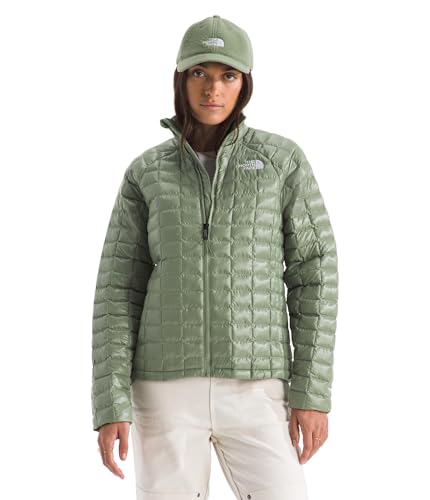 Best for mild winters and commutingThe North Face Women's ThermoBall Insulated JacketView on Amazon
- 7
 Best for a slim, streamlined fitTHE NORTH FACE Women's Flare Insulated Jacket, Summit Navy, SmallView on Amazon
Our Top Picks
| Product | Best for | Key feature |
|---|---|---|
| THE NORTH FACE Women’s Junction Insulated Jacket | Overall everyday warmth | 100g synthetic insulation |
| THE NORTH FACE Women’s Aconcagua Hooded Jacket | High-output winter activity | 200g synthetic, insulated hood |
| THE NORTH FACE Women’s Arctic Parka | Deep cold and dry snow | 600 fill recycled down |
| THE NORTH FACE Women’s Quest Insulated Jacket | Wet, windy conditions | Waterproof 2L shell |
| THE NORTH FACE Women’s Shelbe Raschel Fleece Hooded Jacket | Layering under a shell | Stretch fleece soft shell |
| The North Face Women’s ThermoBall Insulated Jacket | Mild winters and commuting | Wind and water resistant |
| THE NORTH FACE Women’s Flare Insulated Jacket | Slim, streamlined fit | Compact insulated profile |
THE NORTH FACE Women’s Junction Insulated Jacket
THE NORTH FACE Women's Junction Insulated Jacket, New Taupe Grn, L | 100g Synthetic Insulation, Easy Layering, Balanced Warmth to Weight Ratio, Recycled Polyester, Water Repellent, Zip Pockets
Best for: Overall everyday warmth
A versatile midweight choice for people who want one jacket that handles school runs, errands and mild hiking days without feeling bulky.
Pros
- 100g synthetic insulation balances warmth and weight
- Easy to layer under a heavier coat
Cons
- Not built for sustained sub-zero exposure
THE NORTH FACE Women’s Aconcagua Hooded Jacket
THE NORTH FACE Women's Aconcagua Hooded Jacket, TNF Black, L | Updated with Synthetic Insulation (200g), Wind & Water Resistant, Insulated Hood, Adjustable Hem, Warm Winter Puffer Coat
Best for: High-output winter activity
Suited to people who stay active outdoors, such as walking the dog or snowshoeing, and want more insulation than a lightweight layer provides.
Pros
- 200g synthetic insulation with an insulated hood
- Adjustable hem helps seal out drafts
Cons
- Bulkier than trail-focused shells
THE NORTH FACE Women’s Arctic Parka
THE NORTH FACE Women's Arctic Parka, TNF Black-NPF, M | Warm 600 Fill Recycled Down, Waterproof Shell, Adjustable Hood, Snap-Off Faux Fur Trim, Stylish Winter Coat
Best for: Deep cold and dry snow
Designed for people facing long stretches of freezing weather who want a longer, warmer coat with a fur-trimmed hood.
Pros
- 600 fill recycled down provides high warmth for its weight
- Snap-off faux fur trim adds versatility
Cons
- Heavier and warmer than most people need for mild days
THE NORTH FACE Women’s Quest Insulated Jacket
THE NORTH FACE Women's Quest Insulated Jacket, TNF Black, M | Waterproof 2L Shell, Lightweight 100g Synthetic Insulation, 100% Recycled Fabric, Adjustable Hood & Hem, Secure Zip Pockets
Best for: Wet, windy conditions
A good fit for people who ride, walk or wait outdoors in slush and drizzle and need the shell to do most of the work.
Pros
- Waterproof 2L shell with lightweight 100g insulation
- Secure zip pockets keep essentials in place
Cons
- Synthetic insulation is less compressible than down
THE NORTH FACE Women’s Shelbe Raschel Fleece Hooded Jacket
THE NORTH FACE Women's Shelbe Raschel Fleece Hooded Jacket, Blk-NPF, L | Stretchy Fleece Lined Soft Shell, Wind & Water Resistant, Zip Hand Pockets, Moisture Wicking, Regular Fit Athletic Jacket
Best for: Layering under a shell
Useful for active people who run warm or want a stretchy mid-layer that moves freely under a waterproof outer coat.
Pros
- Stretch fleece soft shell moves with you
- Moisture-wicking lining suits active use
Cons
- Not enough warmth on its own in deep cold
The North Face Women’s ThermoBall Insulated Jacket
The North Face Women's ThermoBall Insulated Jacket, Bark Mist, L | Wind & Water Resistant, Secure Zip Pockets
Best for: Mild winters and commuting
Fits people in milder climates who want packable insulation and a clean look for daily wear.
Pros
- Wind and water resistant shell
- Secure zip pockets for commuting
Cons
- Less warmth than heavier insulated options
Buying Guide
Insulation Type and Warmth
Synthetic insulation keeps you warm even when it gets damp, which makes it a practical choice for wet snow and variable weather. Down offers excellent warmth for its weight and packs small, but it loses insulating power when wet, so it suits cold, dry conditions best. Match the fill level to your typical temperatures: lighter insulation works for cool days and layering, while heavier fill suits sustained time outdoors in deep cold.
Shell Weather Resistance
Look at whether a jacket is described as water repellent, wind and water resistant, or fully waterproof. Water-repellent finishes shed light moisture but can soak through in heavy rain or slush. A waterproof 2-layer shell is the better pick if you commute in wet snow or spend long periods exposed to the elements.
Fit, Layering and Movement
Think about what you will wear underneath. A regular fit leaves room for a fleece or sweater, while a trimmer cut feels more streamlined but can restrict bulky layers. If you climb, shovel, or ski, check that the arms and shoulders allow a full range of motion without the jacket riding up at the waist.
Hood, Hem and Pocket Design
An adjustable hood that stays put in wind is important for cold, exposed walks, and an insulated hood adds extra warmth around the head and neck. An adjustable hem helps seal out drafts at the waist. Secure zip pockets keep keys, a phone, and gloves from falling out during active use or travel.
Style and Everyday Versatility
If the jacket will serve as your daily winter coat, consider length, color, and details like removable trim. A longer parka covers more of the body on bitter days, while a shorter, lighter jacket is easier to wear for commuting and errands. Choose the style that fits how you actually spend your cold-weather days.
FAQ
Is synthetic insulation better than down for a women’s winter jacket?
It depends on your conditions. Synthetic insulation performs better when it gets wet and is often easier to care for, while down provides more warmth for less weight in dry cold. If you expect snow, rain, or humid conditions, synthetic is usually the safer choice.
What does water resistant mean compared with waterproof?
Water-resistant jackets shed light rain and surface moisture but may soak through during prolonged wet weather. Waterproof jackets use taped seams and a membrane or laminated shell to block water more completely. For heavy snow or steady rain, a waterproof shell is the better option.
How should a winter jacket fit if I plan to layer?
Choose a size that lets you wear a sweater or fleece underneath without the sleeves feeling tight or the shoulders pulling. Try the jacket on with your typical layers before deciding. Avoid going so large that you lose warmth from extra air space being hard to heat.
Can I wear a North Face insulated jacket for outdoor sports?
Many of these jackets work well for walking, hiking, and casual outdoor time, and some are designed for higher-output activity. Check the movement and breathability features listed for each model. For intense aerobic activity, a lighter layer or a jacket with better ventilation may keep you more comfortable.
How do I care for an insulated jacket so it keeps its warmth?
Follow the care label, and wash the jacket gently with a technical-fabric or down-safe detergent when it gets dirty. Avoid fabric softener, which can coat insulation and reduce loft. Dry it thoroughly on low heat, tossing in a few dryer balls to help restore the fill.
Which jacket should I choose if I want one warm coat for the whole winter?
Pick a model with a waterproof shell and substantial insulation, since it handles the widest range of winter conditions. Consider a parka style if you spend long periods outdoors in cold weather. A lighter insulated jacket works better if you run hot or need something for layering.
Conclusion
For everyday winter wear and layering, the Junction is a versatile starting point, while the Aconcagua suits more active days. If you face deep cold and wet snow, the Arctic Parka and Quest offer the strongest protection, and the Shelbe fleece-lined soft shell fits milder, drier weather.
The ThermoBall and Flare round out the list for shoppers who want a lightweight, streamlined option. Match your choice to your typical temperatures, moisture exposure, and how much you move, and you will end up with a jacket that fits your winter well.
Related reading
- Women's North Face Insulated Jacket: How to Choose the Right Warmth (2026)
- Women's Down Jacket North Face: How to Choose the Right Warmth (2026)
- The North Face Women Down Jacket: How to Choose the Right Warmth (2026)
- North Face Womens Goose Down Jacket: A Practical Guide (2026)
- Namak Insulated Jacket Women's: Is It Worth Buying for Winter?
About Graham Fisher
Graham Fisher is part of our editorial team and reviews and edits our everyday winter gear guides, checking product details against manufacturer specifications and owner feedback.
About the author
Graham Fisher writes reviews and buying guides for Snow Crystals.