5 Best Snow Boots for Hiking in Winter (2026)
Looking for the best snow boots for hiking? Compare five winter hiking boots by traction, waterproofing and warmth to find the right pair for your trail.
 By Colin Foster
Updated November 21, 2026
 By Colin Foster
Updated November 2026
Finding the best snow boots for hiking means balancing three things: waterproofing that holds up in slush, insulation that keeps your toes warm on long climbs, and outsole grip that bites into packed snow and ice. The picks below are selected from product listings, brand reputation and common owner feedback, with attention to boot height, lining and traction add-ons. Each one suits a slightly different winter hiking need.
Our top picks at a glance
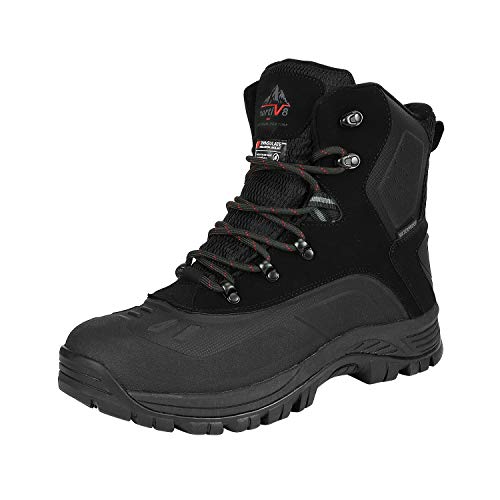
- 1TOP CHOICEBest overallNORTIV 8 Men's Waterproof Hiking Winter Snow BootsView on Amazon
- 2
 TOP CHOICEBest for warm women's winter walksLittleplum Snow Boots for Women-Warm Fur Line Anti Slip Womens Winter BootsView on Amazon
- 3
 TOP CHOICEBest for mid-height hiking supportXPETI Men's Thermator Mid-Rise Waterproof Hiking BootView on Amazon
- 4
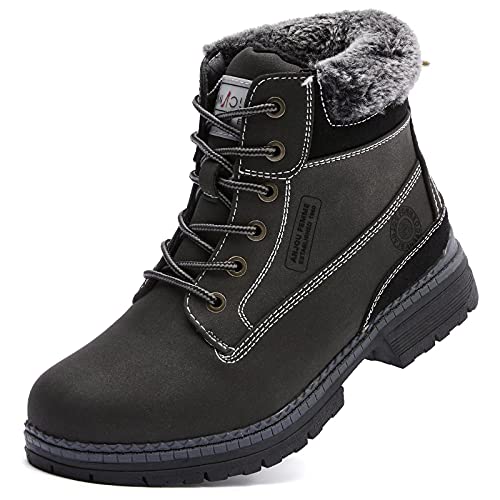 Best for backpacking in fur-lined warmthANJOUFEMME Womens Hiking Snow Winter BootsView on Amazon
- 5
 Best add-on for icy trailsCrampons Ice Cleats Traction Snow Grips for BootsView on Amazon
Our Top Picks
| Product | Best for | Key feature |
|---|---|---|
| NORTIV 8 Men’s Waterproof Hiking Winter Snow Boots | Overall winter hiking | Insulated, waterproof construction |
| Littleplum Snow Boots for Women | Warm women’s winter walks | Warm fur lining, anti-slip sole |
| XPETI Men’s Thermator Mid-Rise Hiking Boot | Mid-height hiking support | Mid-rise, insulated, non-slip |
| ANJOUFEMME Womens Hiking Snow Winter Boots | Backpacking in cold weather | Waterproof with fur lining |
| Crampons Ice Cleats Traction Snow Grips | Icy trail traction | 19 stainless steel spikes |
NORTIV 8 Men’s Waterproof Hiking Winter Snow Boots
NORTIV 8 Men's Waterproof Hiking Winter Snow Boots,Black/1,15W | Insulated Construction Hunting Ski Work Boots TUNDRA
Best for: Overall winter hiking in snow and wet conditions
This is a solid all-round choice for men who hike in snow regularly and want insulation without a bulky build. The listing describes an insulated, waterproof construction aimed at hunting, skiing and outdoor work as well as hiking.
Pros
- Waterproof construction suited to slushy snow
- Insulated for cold-weather trail days
Cons
- Sizing can run snug for wide feet
Littleplum Snow Boots for Women-Warm Fur Line Anti Slip Womens Winter Boots
Littleplum Snow Boots for Women-Warm Fur Line Anti Slip Womens Winter Boots-Fashion Ankle Booties Sneakers for Outdoor Hiking Beige Size 6.5
Best for: Warm women’s winter walks and light snow hiking
A good fit for women who want a warm, fur-lined boot for trails, town walks and snowy paths. The anti-slip sole helps on compacted snow, though it is less aggressive than a dedicated hiking outsole.
Pros
- Warm fur lining for cold feet
- Anti-slip outsole for packed snow
Cons
- Less suited to deep, steep backcountry snow
XPETI Men’s Thermator Mid-Rise Waterproof Hiking Boot
XPETI Men’s Thermator Mid-Rise Waterproof Hiking Boot Insulated Non-Slip Black 10.5
Best for: Mid-height ankle support on snowy hiking trails
Suited to hikers who want ankle coverage and a stable platform on uneven winter ground. The mid-rise shaft offers more support than a low-cut sneaker-style boot.
Pros
- Mid-rise shaft adds ankle support
- Waterproof and insulated for snow days
Cons
- Heavier than lightweight winter trail shoes
ANJOUFEMME Womens Hiking Snow Winter Boots
ANJOUFEMME Womens Hiking Snow Winter Boots – Waterproof Outdoor Ankle Boots for Women Comfortable Warm Fur Boots for Backpacking Cycling
Best for: Cold-weather backpacking and longer winter outings
Aimed at women who carry packs or spend long hours outdoors in cold conditions. The fur-lined interior and waterproof build make it a practical option for multi-hour walks in snow.
Pros
- Waterproof outdoor build
- Fur lining for warmth on long days
Cons
- Fur-lined styles can feel warm in milder snow
Crampons Ice Cleats Traction Snow Grips for Boots
Crampons Ice Cleats Traction Snow Grips for Boots Shoes Women Men Anti Slip 19 Stainless Steel Spikes Safe Protect for Hiking Fishing Walking Climbing Mountaineering
Best for: Adding grip to hiking boots on icy trails
These slip-on traction devices suit hikers who already own sturdy boots and need extra bite on ice. They fit over most boots and are a practical add-on for icy approaches and descents.
Pros
- 19 stainless steel spikes for ice grip
- Works with many boot types
Cons
- Not suited to off-trail or technical climbing
Buying Guide
Waterproofing and membrane
Look for a fully waterproof upper and sealed seams. Snow melts into slush, and a boot that only resists light moisture will soak through on long hikes.
Insulation rating
Many manufacturers list insulation in grams. Around 200 grams suits moderate cold, while heavier insulation suits prolonged subzero hiking, though it adds weight.
Outsole lug depth and traction
Deeper lugs and rubber compounds that stay flexible in the cold grip snow better. For glare ice, add removable traction devices.
Height and ankle support
Mid-rise boots help on uneven, snow-covered ground, while low-cut boots save weight on packed trails.
Good picks for this: XPETI Men’s Thermator Mid-Rise Waterproof Hiking Boot, Crampons Ice Cleats Traction Snow Grips
FAQ
Are snow boots good enough for winter hiking on trails?
Snow boots built for hiking can handle packed snow, slush and light ice on maintained trails. For steep or icy terrain, adding traction devices such as crampons or ice cleats gives you much more control. Choose boots with a sturdy outsole and a secure fit so your feet stay stable on uneven ground.
Do I need waterproof boots for winter hiking?
Waterproofing is one of the most useful features for winter hiking, since melting snow and wet ground can soak through ordinary footwear quickly. Look for a waterproof membrane or sealed construction if you expect wet conditions. Wet feet lose heat fast, so staying dry matters as much as staying insulated.
How do I know what insulation level I need?
Insulation needs depend on how cold it gets and how active you will be, since moving hard generates heat. Boots with heavier insulation suit slow walks in deep cold, while lighter insulation can be better for active hiking where overheating is a concern. Consider wearing wool or synthetic socks with your boots and leave a little room for a thicker sock if needed.
Should I buy ice cleats or crampons for my boots?
Slip-on traction devices like ice cleats are convenient for icy paths and short sections of hard-packed snow. Crampons with longer spikes are better suited to steep slopes, deep ice and mountaineering. Check that any traction device fits your boot size and sole shape before heading out.
How should snow boots fit for hiking?
Snow hiking boots should fit snugly around the heel and midfoot with enough room in the toe box for toes to wiggle, especially when wearing thick socks. An overly tight boot can restrict circulation and cause cold feet, while a loose one can cause blisters and instability. Try boots on later in the day or with your intended socks to get an accurate fit.
Conclusion
For men who want a rugged, insulated, waterproof boot for general winter hiking, the NORTIV 8 and XPETI options are strong starting points, with the XPETI suiting those who prefer a mid-height ankle profile. Women looking for a warm, casual-leaning winter boot for lighter trails may find the Littleplum or ANJOUFEMME styles a good match, with the ANJOUFEMME offering a more hiking-focused build.
If your routes include icy or steep sections, pairing any of these boots with the traction spikes will improve safety and confidence on the trail.
Related reading
- 7 Best Boots for Hiking in Snow (2026)
- Women's Timberland Snow Boots: 6 Best Picks for Cold, Wet Winter Days
- Women's Sorel Caribou Snow Boots: 4 Best Picks for Cold Winter Days (2026)
- Women's Boots for Snow: 7 Best Picks for Cold, Wet Winter Days
- Winter Snow Boots Sorel: 5 Best Picks for Cold, Wet Days (2026)
- UGG Women's Snow Boots: 5 Best Picks Compared (2026)
About Colin Foster
Colin Foster is part of our editorial team and reviews and edits our everyday winter gear guides, checking product details against manufacturer specifications and owner feedback.
About the author
Colin Foster writes reviews and buying guides for Snow Crystals.