5 Best Ice Cleats for Boots for Icy Winter Walking (2026)
Find the best ice cleats for boots with our picks for winter walking, icy driveways and hikes, plus a buying guide on fit, traction and durability.
 By Colin Foster
Updated November 22, 2026
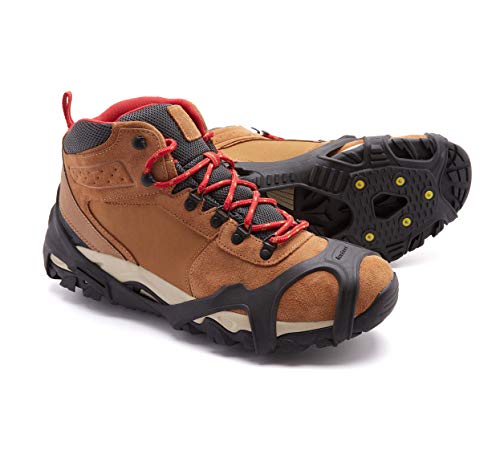 By Colin Foster
Updated November 2026
Choosing the best ice cleats for boots comes down to fit, spike type, stretch material and how much grip you actually need on packed snow versus glare ice. This list weighs those criteria across five widely sold models, looking at manufacturer specifications, product listings and common owner feedback about sizing, comfort and durability.
Our top picks at a glance
- 1TOP CHOICEBest overallICETRAX V3 Tungsten Crampons, Ice Cleats for Shoes and BootsView on Amazon
- 2
 TOP CHOICEBest for everyday walkingYaktrax Walk Traction Cleats for Walking on Snow and Ice (1 Pair), MediumView on Amazon
- 3
 TOP CHOICEBest for hiking and rough terrainCimkiz Crampons Ice Cleats Traction Snow Grips for Boots Shoes Women MView on Amazon
- 4
 Best for work and heavy useWinter Walking Low-Pro Ice Cleat, Heavy-Duty Industrial Grade TractionView on Amazon
- 5
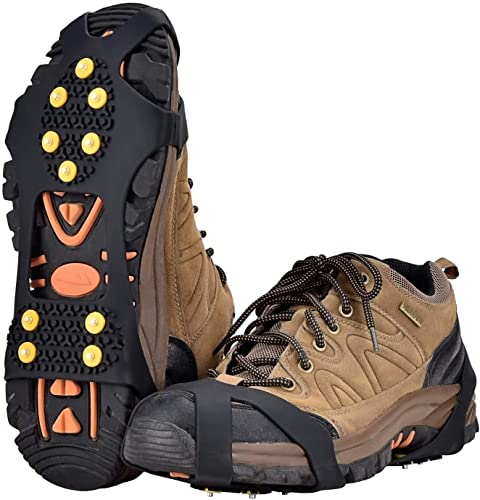 Best for a lower-profile budget fitAliglow Ice Snow Grips Over Shoe/Boot Traction Cleat Spikes Anti Slip FootwearView on Amazon
Our Top Picks
Quick Comparison
| Product | Best for | Key feature |
|---|---|---|
| ICETRAX V3 Tungsten Crampons | Overall winter walking | Tungsten carbide spikes |
| Yaktrax Walk Traction Cleats | Everyday sidewalks | Coil-style traction |
| Crampons Ice Cleats Snow Grips | Hiking and rough ground | 19 stainless steel spikes |
| Winter Walking Low-Pro Ice Cleat | Heavy-duty and work use | Low-profile heavy-duty build |
| Aliglow Ice Snow Grips | Light use over shoes | Slip-on design |
ICETRAX V3 Tungsten Crampons, Ice Cleats for Shoes and Boots
ICETRAX V3 Tungsten Crampons, Ice Cleats for Shoes and Boots – Ice Grips for Snow and Ice, Non-Slip Shoe Grippers with Reflective Heel L/XL (Men: 9.5-13/ Women: 11+)
Best for: Overall winter walking on mixed ice and packed snow
A strong general-purpose pick for people who want serious bite on ice without a bulky profile. Sizing is listed as L/XL for men 9.5–13 and women 11 and up, so check your boot size before ordering.
Pros
- Tungsten carbide spikes are widely described as holding up well on glare ice
- Reflective heel tab improves visibility on early-morning and evening walks
Cons
- Sizing range is narrow, so off-size boots may not fit securely
Yaktrax Walk Traction Cleats for Walking on Snow and Ice (1 Pair), Medium
Yaktrax Walk Traction Cleats for Walking on Snow and Ice (1 Pair), Medium
Best for: Everyday walking on sidewalks, driveways and packed snow
Suited to commuters and dog walkers who want quick on-and-off traction for mostly packed snow. Owners often note it is easy to stretch on and remove without tools.
Pros
- Stretchable design fits many boot shapes within a size band
- Lightweight enough to carry in a pocket or bag
Cons
- Coil traction is less aggressive than spiked models on steep glare ice
Crampons Ice Cleats Traction Snow Grips for Boots Shoes Women Men Anti Slip 19 Stainless Steel Spikes
Cimkiz Crampons Ice Cleats Traction Snow Grips for Boots Shoes Women Men Anti Slip 19 Stainless Steel Spikes Safe Protect for Hiking Fishing Walking Climbing Mountaineering
Best for: Winter hikes and uneven, icy trails
Aimed at hikers, anglers and anyone walking on trails where footing changes often. The 19-spike layout spreads grip across the sole for more stability on uneven ground.
Pros
- Stainless steel spikes resist rust better than plain steel in wet conditions
- Spike count gives balanced coverage on slopes and uneven terrain
Cons
- Spikes add noticeable stiffness, which can feel awkward on flat pavement
Winter Walking Low-Pro Ice Cleat, Heavy-Duty Industrial Grade Traction Aid, Size Large (1 Pair)
Winter Walking Low-Pro Ice Cleat, Heavy-Duty Industrial Grade Traction Aid for Walking on Snow and Ice, Size Large (1 Pair)
Best for: Heavy use, work shifts and long days outdoors
Designed for people who need traction on loading docks, job sites or salted ice all day. The low-profile build keeps the cleat from catching on stairs or curbs.
Pros
- Industrial-grade construction is marketed for repeated, heavy use
- Low profile reduces tripping risk on stairs and thresholds
Cons
- Less aggressive bite than full crampon designs on deep, packed ice
Aliglow Ice Snow Grips Over Shoe/Boot Traction Cleat Spikes Anti Slip Footwear
Aliglow Ice Snow Grips Over Shoe/Boot Traction Cleat Spikes Anti Slip Footwear
Best for: Light, occasional use over shoes and boots
A simple slip-on option for people who only need traction for short walks, such as getting to the car or the mailbox. It is a reasonable choice when you do not want to commit to a heavier cleat.
Pros
- Slip-on design goes on quickly without adjusting straps
- Compact when stored in a coat pocket
Cons
- Lighter construction may wear faster with frequent daily use
Buying Guide
Fit and Sizing
Measure your boot sole length and compare it to the manufacturer’s size chart before buying. A cleat that is too tight can stretch the rubber or slip off, while one that is too loose may come loose mid-stride. If you are unsure, see our guide on Ice Cleats Size Chart: How to Pick the Right Fit for Your Boots.
FAQ
Do ice cleats fit over any type of boot?
Most ice cleats are designed to stretch over a range of footwear, including sneakers, hiking boots and dress boots. Fit depends on the size range listed for each model, so check the sizing chart against your shoe size before ordering. Very thick or wide soles may not sit securely on every design.
Are ice cleats safe to wear on pavement and indoors?
Ice cleats are meant for snow and ice, and wearing them on dry pavement, tile or wood floors can wear down the spikes or the rubber and may damage surfaces. Take them off once you reach clear ground. Many walkers carry them in a bag and put them on only when conditions require it.
Should I choose spikes or a coil-style cleat?
Spiked cleats generally offer more bite on hard, glazed ice, while coil or chain-style cleats tend to be easier to put on and more comfortable for everyday walking on packed snow. Your choice depends on how icy your typical routes are. If you hike or walk on steep, slick trails, spikes are usually the better match.
How do I keep ice cleats from slipping off my boots?
Make sure the cleat is pulled fully onto the heel and forefoot and that the stretch material sits snugly without bunching. Adjust the straps or tension before each walk, since they can loosen over time. Checking the fit every so often on a longer outing helps prevent them from shifting.
How should I care for ice cleats so they last?
Rinse off salt, mud and ice after use and let them dry fully before storing them. Keep metal spikes dry to limit rust, and store cleats out of direct sunlight to help the rubber and elastic hold up. Inspect the spikes and stretch material regularly and replace the cleats if the spikes are bent or the material is torn.
Can ice cleats be used for running?
Most ice cleats are built for walking, not running, since the added grip and bulk can change your stride and make a fall more likely. Running on snow and ice calls for footwear with purpose-built traction. If you are unsure, stick to walking speed when wearing cleats.
Conclusion
For most people who need reliable traction on daily winter walks, a fit-focused cleat such as the ICETRAX V3 or the Yaktrax Walk is a practical starting point. Hikers and anyone crossing rough, steep or glazed terrain will likely prefer a spiked option like the 19-spike Crampons model.
Workers and people who use their cleats heavily should look at the heavy-duty low-profile model, while those wanting a budget-friendly over-shoe option may find the Aliglow worth considering. Always compare the sizing chart with your footwear before buying.
Related reading
- 6 Best Boots with Retractable Ice Cleats for Winter Walking (2026)
- 5 Best Boots with Ice Cleats Built In for Winter Walking (2026)
- 5 Best Boot Cleats for Ice for Winter Walking (2026)
About Colin Foster
Colin Foster is part of our editorial team and reviews and edits our everyday winter gear guides, checking product details against manufacturer specifications and owner feedback.
About the author
Colin Foster writes reviews and buying guides for Snow Crystals.